


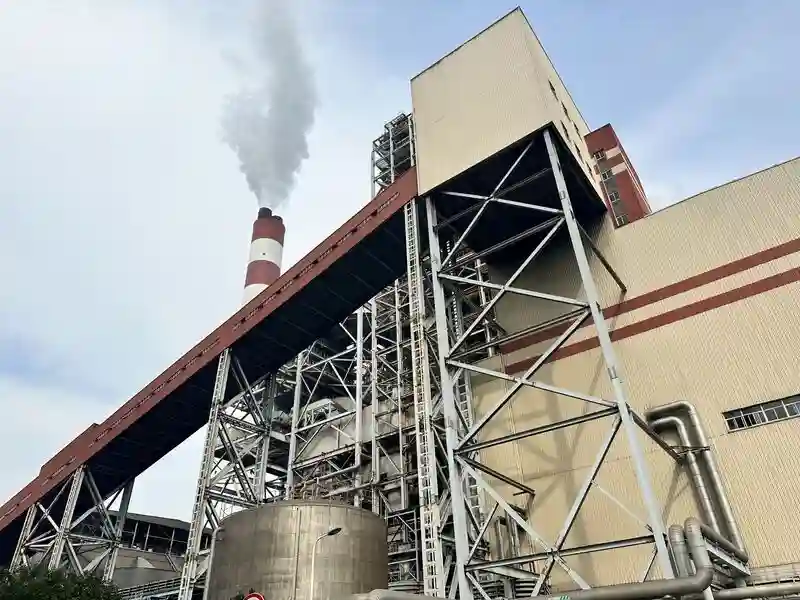


As a heat wave grips China, power stations across the country are struggling to keep pace with increased demands for electricity. One of the largest of these facilities, the Waigaoqiao coal-fired power plant in Shanghai, is burning as much as 800 tons of coal an hour to provide relief from scorching temperatures. The power plant, which provides over 6% of the power needs for the city of Shanghai, has been operating at increased capacity since the start of the month to cope with the soaring demand for electricity.
It's not just Shanghai that is feeling the heat. Beijing is also facing record-high temperatures this year, with the National Meteorological Center issuing a low-level heat alert and advising against outdoor activities. Power demand in Beijing has surged by 30% so far this quarter, as compared to last year when commercial activity was slowed by pandemic restrictions.
In Shanghai, peak power needs are expected to reach 38 gigawatts, up from a maximum of 35 gigawatts just one year ago. In response to fears of power shortages, the Chinese government has pushed for an increase in coal production, approved the construction of new power plants, and has been supporting renewable energy projects.
Despite these efforts, government officials have warned that certain regions are likely to face periodic power shortages during the summer's peak hours. Power needs rise even higher on the hottest days, as air conditioner usage surges. In May, electricity consumption in China was up by 7.4%, with a 16% jump in generation from fossil fuel power plants needed to meet the demand.
At the Waigaoqiao power plant, the main concern is maintaining normal operations during the peak demand period, which is expected to last until mid-September. The plant has stockpiled about 200,000 tons of coal with some backup fuel stored at ports, which is enough to keep it operating for 15 days. Output is adjusted based on demand, as well as how much nearby wind and solar facilities are generating.
While the low cost of coal is a plus for the plant, the challenge lies in meeting the peak demand period without experiencing any outages. The chairman of the Waigaoqiao plant, Chen Tao, stated that maintaining normal operations will be the biggest challenge in the coming months. In response to these concerns, the National Development and Reform Commission has reiterated its commitment to ensuring a stable supply of electricity. The commission cites electricity as crucial to China's economic and social development, as well as the lives of its citizens.