


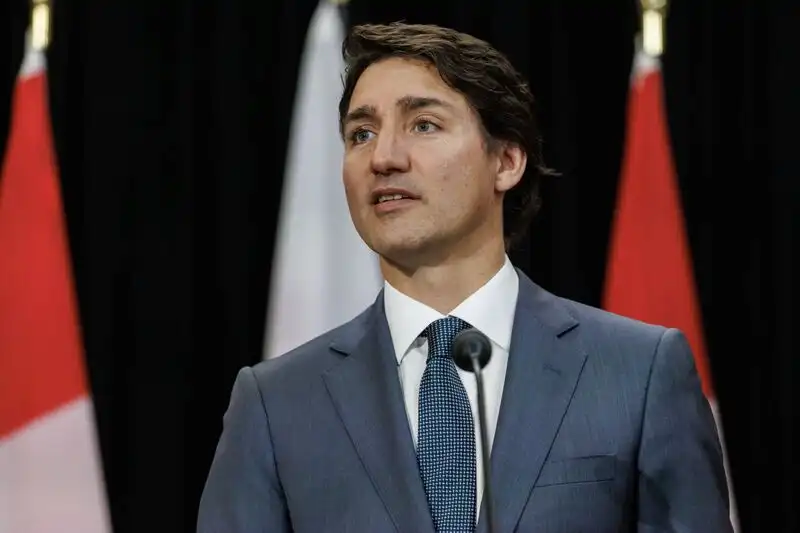


Canada's massive wildfires have widened a schism in the country's politics, particularly in its oil-producing heartland of Alberta and Saskatchewan. While politicians and conservatives can no longer deny climate change, they continue to resist Prime Minister Justin Trudeau's ambitions. This stance could leave Canada, one of the world's biggest fossil fuel producers, without a credible pathway to reduce carbon emissions at a time when the impacts of climate change are devastating its forests.
The fires, which have burned through more than 13 million acres, an area twice the size of Massachusetts, have forced tens of thousands from their homes and clouded the air with toxic smoke. Canada's opposition leader has called for an end to the country's carbon tax. Meanwhile, Trudeau's chief rival, Pierre Poilievre, has spoken for hours in Parliament, with the intent of stalling the ruling Liberal Party's budget. Poilievre is particularly popular in the Prairie provinces, where many voters and industries are resistant to climate policies.
Canada has the world's third-largest nationally proven crude reserves, and oil and gas represent as much as 7% of the country's GDP and a fifth of its goods exports. While the record-breaking wildfires have driven home the costs of climate inaction, politicians continue to leverage the fears of Canadians about the short-term costs of climate action.
Trudeau has pledged to cut emissions by 40% to 45% below 2005 levels by the end of the decade and reach net zero by 2050. However, there are two major political barriers to reaching these climate goals. Firstly, it's unclear how the targets can plausibly be achieved without a cap on oil and gas production. Trudeau's government has refused to entertain a production cap due to intense industry and political pressure. Instead, it has pledged CAD 12.4 billion ($9.4 billion) in tax credits for building carbon capture systems. Secondly, Trudeau's carbon price system imposes fees on major polluters and fossil fuel sales, but not all Canadians understand the system.
The fires have hit during a crucial year for the trajectory of Canada's emissions targets. The country is expected to unveil draft regulations for a number of policies, including ones aimed at reducing oil and gas emissions, increasing access to clean electricity, and stronger methane rules. While the wildfires have pushed climate to the top of the agenda right now, momentum could dissipate when the smoke recedes. Climate change is an issue that requires sacrifice, and voters need to face this reality if they want to make progress.