


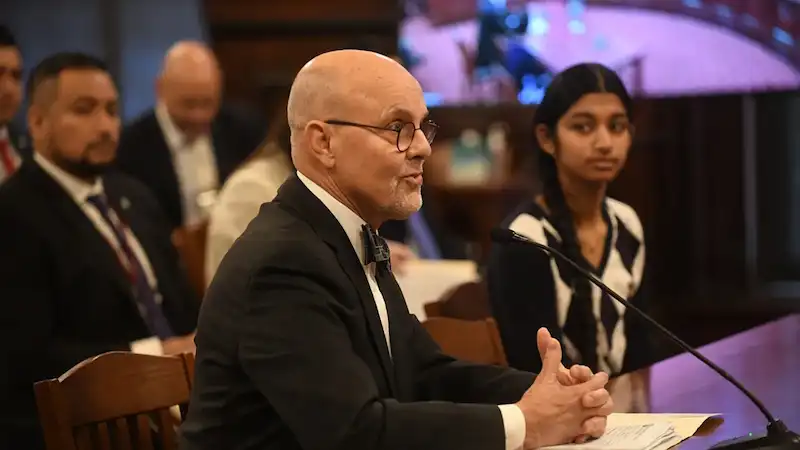


Sixteen-year-old Shreya Nallamothu from Normal, Illinois, grew increasingly frustrated as she scrolled through social media platforms during the pandemic. She noticed a rising trend of children being featured in family vlogs and felt uneasy about the lack of privacy and consent involved. Having experienced her parents documenting her own childhood moments, she understood the importance of keeping intimate moments within the family. Concerned about the implications for young influencers, she took action by writing a letter to her state senator, Dave Koehler.
Inspired by Nallamothu's letter, Illinois became the first state to pass a law aimed at protecting minors who feature in online videos and ensuring they are properly compensated. Governor J. B. Pritzker signed the bill last week, amending the state's Child Labor Law. This new legislation will grant teenagers aged 18 and over the right to take legal action against their parents if they were featured in monetized social media videos without proper compensation, similar to the rights held by child actors.
Effective from July 1, 2024, parents in Illinois will be required to set aside 50% of the earnings from monetized content into a blocked trust fund for the child. The allocated percentage will depend on the amount of time the child features in the video. For example, if the child appears in 50% of the video, they should receive 25% of the earnings, and if they appear in 100%, they are entitled to 50% of the earnings. However, these provisions only apply when the child appears on screen for more than 30% of the vlogs within a 12-month period.
While recognizing the equity parents have in these videos, the lawmakers emphasize the need to prioritize the well-being of the child. Many parent vloggers frequently share intimate details of their lives in multiple videos each month, often earning substantial amounts of money through sponsored posts. However, up until now, there has been no legal obligation for parents to provide their children with a share of the earnings.
The rise of social media and the monetization of children's presence in videos prompted the need for legislation. Parent vloggers often fail to establish accounts in the child's name due to age restrictions on social media platforms, making it challenging to ensure proper compensation for the child's work. Senator Koehler recognized the significance of addressing this issue, stating that if money is being made and no provisions are in place for the children, it is akin to exploiting child actors, for whom similar protections exist.
This law draws inspiration from the 1936 Jackie Coogan's Law, which aimed to protect child actors from being swindled out of their earnings by their parents. Similar bills have been proposed in California and Washington, showing promising progress in safeguarding young influencers. Jessica Maddox, an assistant professor at The University of Alabama who studies the influencer community, believes it is crucial for legislation to catch up with technology and ensure that minors are not exploited in social media careers.
The legislation in Illinois sparks a broader conversation about privacy and the appropriateness of parents documenting their children's lives online. Some argue that children may not fully comprehend the implications of being featured in family vlogs, leading to potential regrets in the future. Chris McCarty, the founder of Quit Clicking Kids, an advocacy and education site combating the monetization of children on social media, believes that as these children grow older, they will share their stories and advocate for more privacy protections.
As this issue gains more attention, there will likely be increased public pressure to establish regulations around consent and privacy in the realm of child influencers. While the current legislation is not perfect, Nallamothu recognizes the need for progress and appreciates the steps being taken. She hopes that future developments will further protect the rights and well-being of child influencers.