




Hong Kong, known for its typhoons and heavy rains, is now facing a pressing need to tackle the effects of climate change as extreme weather events become more frequent. The city's government, led by Chief Executive John Lee, has recently put forth a plan to enhance climate resilience, a departure from his predecessor's focus solely on reducing carbon emissions. In his policy speech, Lee outlined measures such as an HK$8 billion ($1 billion) drainage improvement plan and the integration of big data and AI for more accurate hazard forecasts and alerts.
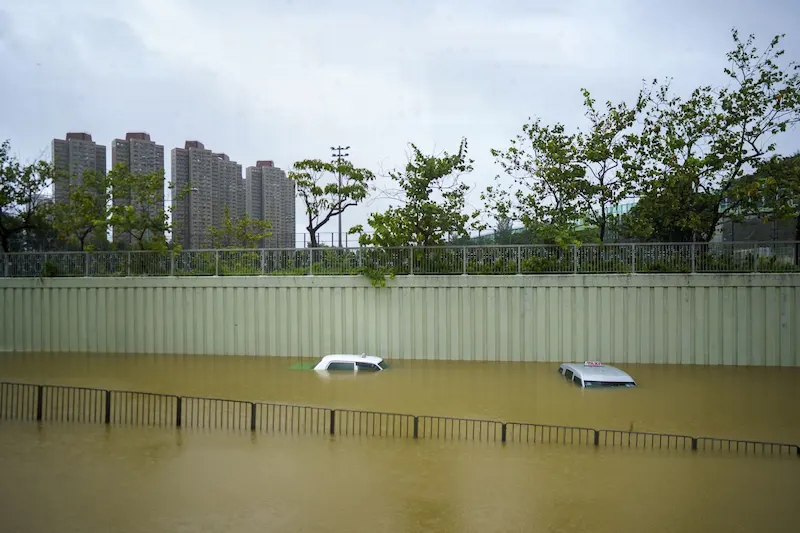
The urgency for such actions became apparent after the catastrophic rainstorms in September, when Hong Kong witnessed the heaviest rainfall since record-keeping began in 1884. Malls, subway stations, and roads were flooded, bringing the city to a standstill. Landslides occurred, blocking access to public housing and forcing wealthy residents living on cliffsides to evacuate. The financial impact of such events could cost Hong Kong billions of dollars if not effectively managed. According to the Hong Kong Monetary Authority's climate stress test, around HK$1 trillion of banks' property loans are at risk from typhoons and floods.
While Hong Kong has a well-designed infrastructure and a reliable warning system to handle traditional weather patterns, the increasing severity and frequency of extreme weather due to climate change present a severe test to the city's defense systems. Tom Ng, a campaigner at Greenpeace Hong Kong, notes that while Hong Kong may be equipped to handle the old climate, it is ill-prepared for the rapid and strong changes brought about by climate change.
Experts highlight several critical aspects that the government should focus on in its resilience planning. Improving the accuracy of rain forecasting and analyzing vulnerabilities in different districts would enable better alerts and reduce losses. Upgrading hardware, such as drainage systems, seawalls, and breakwaters, is also necessary to mitigate the impact of future disasters. However, resilience planning should not solely focus on individual events but also consider the possibility of multiple disasters occurring within a short timeframe.
Heat is another issue exacerbated by climate change that has received less attention in Hong Kong. The city recently experienced its hottest summer on record, and the lack of measures to protect low-income residents living in cramped subdivisions or rooftop huts from extreme heat is concerning. Singapore, another vulnerable city, has taken a more proactive approach. It has allocated S$100 billion ($73.8 billion) over the next century to protect against rising sea levels and established a coastal and flood protection fund worth S$5 billion. The government has also implemented an advisory system to help residents monitor heat stress levels through nearby sensors.
In contrast, Hong Kong's resilience planning is still in its infancy, although the recent storm serves as a wake-up call. Tokyo and Singapore's proactive efforts demonstrate the need for Hong Kong to scale up its preparations and invest in long-term infrastructure improvements. As Professor Ji Chen from the University of Hong Kong emphasizes, the city's current probability assessment, such as for a once-in-100-years flood, must be challenged, considering extreme events with even longer recurrence intervals. Climate change does not have a memory, and the unpredictability it brings requires immediate action to safeguard Hong Kong's future.