


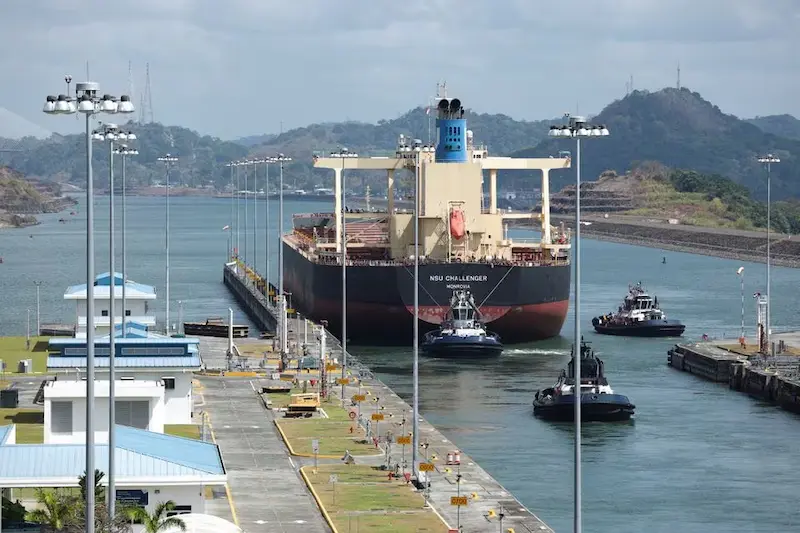


The Panama Canal, one of the world's key maritime trade routes, has announced plans to increase its booking slots in an effort to mitigate the impact of a severe drought. The canal authority stated that starting from mid-January, there will be 24 transit slots available per day, up from the previously planned 18 slots. This expansion of slots will be applicable for regulars, supers, and neopanamax vessels.
The decision to increase the booking slots was made after consideration of the current and expected levels of Gatun Lake, a crucial water source for the operation of the canal. The lake supplies millions of liters of water required for the smooth functioning of the waterway. In order to avail these additional slots, applications will start being accepted in the coming weeks, and transits can commence from January 16th.
However, the canal authority also issued a warning regarding the ongoing water crisis. To ensure fairness and equal opportunities, they will limit the number of booking slots to one per customer per date, effective from January 16th. This restriction will be in place until further notice, with some limited exceptions tied to auction and competition slots. The allocation of slots is prioritized based on factors such as the highest bidding in auction processes, full containers, market demands, and customer rankings.
The severe drought in Panama, exacerbated by the El Nino weather phenomenon, which warms the Pacific Ocean, has led to increased fees and congestion at the canal. As a result, fuel tankers and grain shippers have resorted to taking longer routes to avoid the congestion. An alternative route involves navigating down South America's entire Atlantic coast and crossing the treacherous Strait of Magellan at the continent's icy southern tip before heading back up the Pacific coast.
By increasing the number of booking slots, the Panama Canal aims to alleviate the impact of the drought-induced water crisis. This move will allow more vessels to transit through the canal, reducing delays and congestion. The canal remains a crucial trade route, facilitating global commerce by providing a shortcut between the Pacific and Atlantic Oceans.