


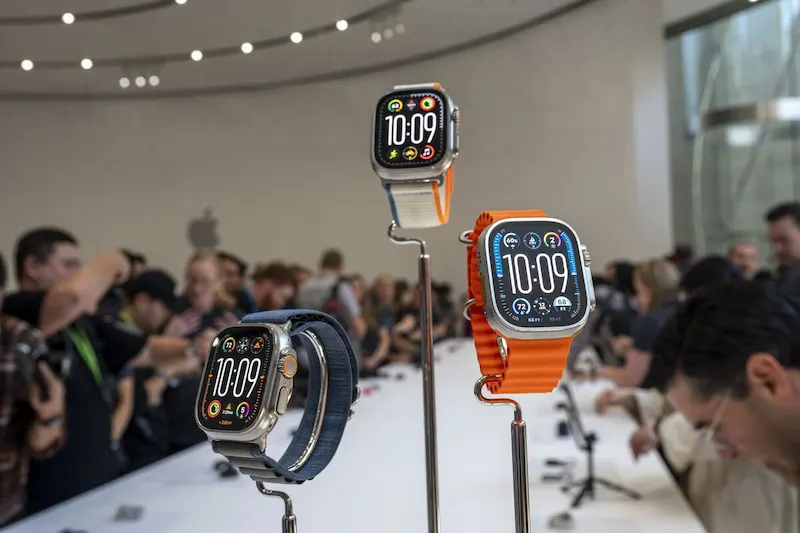


In a bid to sidestep a patent dispute ban imposed by the US International Trade Commission (ITC), Apple Inc. has decided to remove the blood-oxygen feature from its latest smartwatches, the Series 9 and Ultra 2. Masimo Corp., the company with which Apple is embroiled in the dispute, revealed on Monday that US Customs and Border Protection has approved the change. This means that Apple can continue to sell its watches without infringing on the import ban.
The ITC ruled in October that Apple's smartwatches violated Masimo's patents related to blood-oxygen measurement. To comply with the ban, Apple had briefly halted the sales of its smartwatches just before the Christmas season. However, an interim stay allowed Apple to reintroduce the products to the market late last month.
Apple devised a software solution to circumvent the dispute and presented it to the customs agency last week. This redesign removes the blood-oxygen technology, known as pulse oximetry, from the watches. Masimo stated that Apple has confirmed that the redesigned watches do not include pulse oximetry technology. Consequently, the customs agency concluded that the change falls beyond the scope of the import ban.
Although the removal of the blood-oxygen feature is an effective tactic to avoid the ban from being imposed again, it may come at a cost. Bloomberg Intelligence analyst Tamlin Bason believes that while addressing the immediate risk is positive, eliminating the highly-touted blood-oxygen feature could impact customer demand.
Apple has already started shipping the modified Series 9 and Ultra 2 watches to retail locations in the US. However, these stores have been instructed not to open or sell the tweaked devices until they receive approval from Apple's corporate offices. This suggests that the new versions of the watches may no longer include the blood-oxygen feature.
Meanwhile, Apple is seeking a continued stay on the ban through a motion it recently filed with a federal appeals court. The court is expected to hear Apple's arguments as early as this week. The prohibition was temporarily overturned while Apple awaits a full hearing. The ITC has urged the appeals court to reject what it considers to be weak and unconvincing arguments in favor of blocking the ban's enforcement.
While Apple's decision to remove the blood-oxygen feature may have helped them steer clear of the import ban for now, the ongoing legal battle with Masimo highlights the increasing importance and competitiveness of patent rights in the technology industry.