


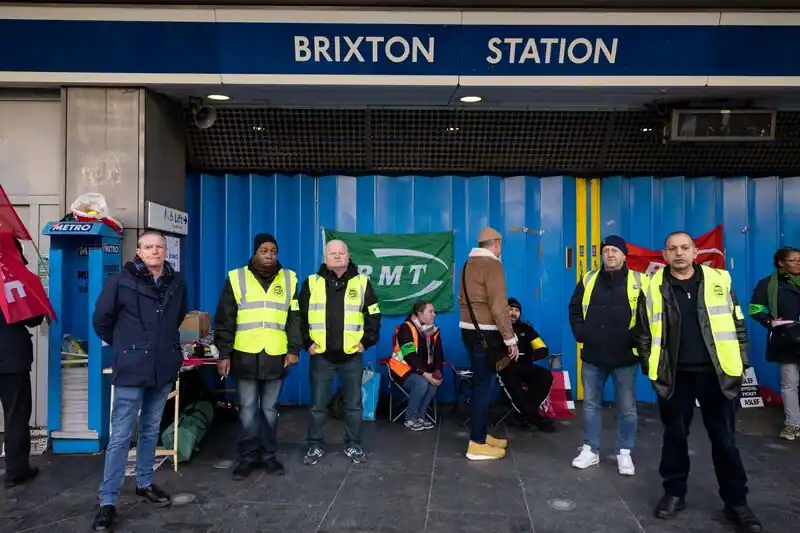


The ongoing dispute between the RMT union and Transport for London (TfL) over Tube workers' jobs and pensions may lead to more industrial action that could last until late November. The RMT union has begun balloting its members for a fresh mandate for six months of strikes, starting from the date the ballot closes on May 23rd. The labor group has accused TfL of planning to cut 600 jobs across London's stations, which would have a significant impact on the quality of service that the Tube provides. They also argue that workers could lose over 30% of their pensions under separate reforms proposed by the transport authority.
Mick Lynch, the RMT's general secretary, has urged all members to vote yes in the postal ballot, emphasizing that their members play a vital role in making London's transport system a success. However, this latest development is likely to cause further disruption for commuters, who are already dealing with the effects of the pandemic on the city's transportation network.
The RMT and TfL have been at loggerheads over the proposed job cuts and pension reforms for almost a year now, but have so far failed to reach a resolution. The union has previously held several rounds of strikes, causing significant disruptions to commuters, and the latest round of balloting suggests that they are prepared to take further action if necessary.
While the RMT's concerns over job cuts and pension reforms are understandable, the prolonged industrial action is likely to have a negative impact on the public perception of both the union and TfL. The pandemic has already hit the transportation industry hard, and further disruptions could have severe consequences for the Tube's future funding and expansion plans. It remains to be seen how the situation will develop, but it is clear that both sides need to find a way to resolve their differences before it is too late.