


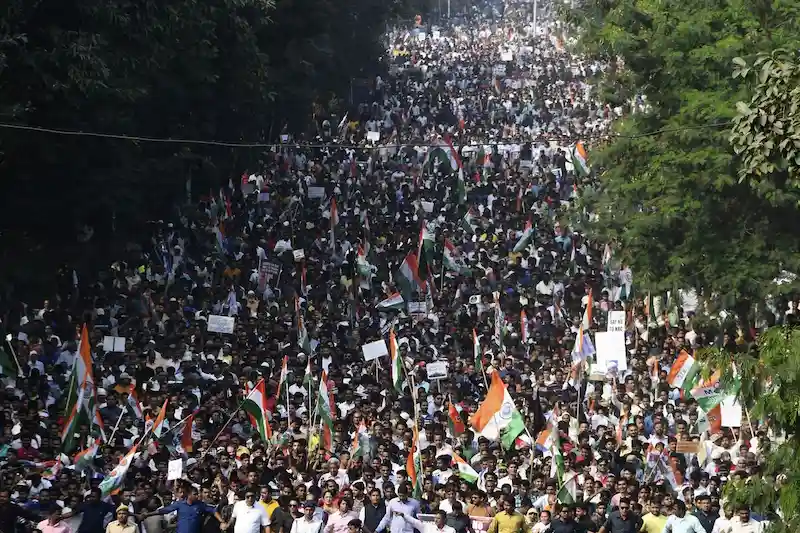


In a move that has sparked both criticism and support, India has implemented the Citizenship (Amendment) Act, 2019, granting expedited citizenship rights to immigrants from neighboring nations, with the notable exception of those who identify as Muslim. The law, which was originally passed more than four years ago, was officially notified through the Gazette of India.
Critics argue that the law is discriminatory as it prioritizes citizenship for individuals from specific faiths in Pakistan, Bangladesh, and Afghanistan who entered India before 2015, while excluding Muslims, the country's largest religious minority. Prime Minister Narendra Modi has defended the law, disputing claims of targeting Muslims, and reiterated that it aims to assist persecuted minorities in neighboring countries. However, the timing of the law's implementation, just ahead of national elections, has raised suspicions of political motives.
The enactment of the Citizenship (Amendment) Act comes amidst ongoing protests and controversy surrounding the proposed introduction of a national population register. This initiative could require all Indian citizens to prove their nationality, a process that has already caused concern and chaos in the northeastern state of Assam. In Assam, the citizenship verification exercise resulted in the exclusion of 1.9 million people, rendering them stateless due to challenges in providing proper documentation.
Home Minister Amit Shah has been a staunch advocate for the new law, emphasizing the government's commitment to enforcing it and addressing illegal immigration. The ruling Bharatiya Janata Party (BJP) has been relatively quiet about the issue in the lead-up to the elections, where Prime Minister Modi is seeking a third term in office. Critics have raised alarm over the potential implications of the law and its interaction with the national population register, which some fear could disenfranchise millions of Indians, particularly Muslims.
The implementation of the citizenship law has faced significant backlash, with reports of violence and police crackdowns on protesters during demonstrations against the Act in 2019. Instances of detention, beatings, and even home demolitions in certain regions have raised concerns about the suppression of dissent and human rights violations. The contentious nature of the law and its potential consequences for religious minorities in India have ignited a fierce debate about the country's secular principles and commitment to inclusivity.
As India grapples with the implications of the Citizenship (Amendment) Act and its alignment with the proposed national register, the country finds itself at a crossroads regarding issues of citizenship, identity, and religious freedom. The outcome of the upcoming elections and the government's response to the criticisms and protests surrounding the law will likely shape India's social and political landscape for years to come.