


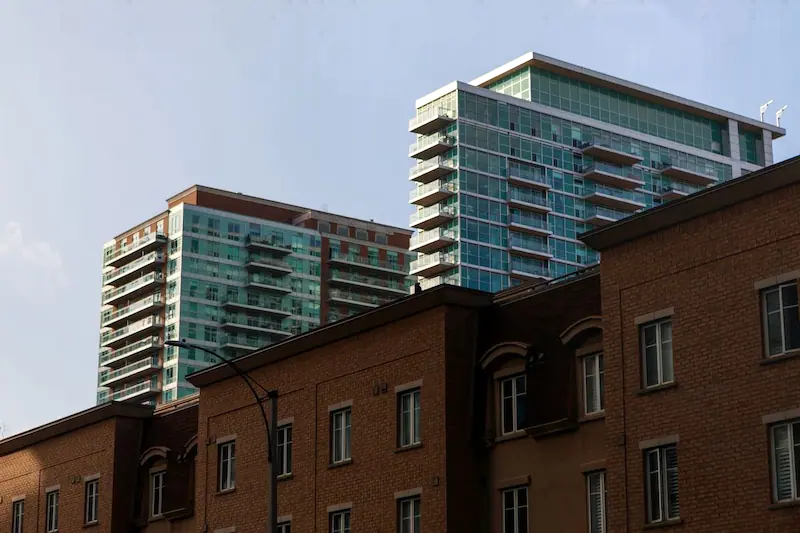


In a significant shift, the Toronto condo rental market experienced a decline in average rents for the first time since 2021, according to a recent report by consultancy Urbanation. This development comes as a welcome relief for renters who have been grappling with soaring costs in recent years.
The second quarter of this year saw a 1.2% drop in average condo rents for leases signed compared to the same period last year. The situation marks a stark contrast to the continuous upward trend in rents that has been prevalent in Canada, fueled by a surge in immigration and a housing supply shortage.
A key factor contributing to the drop in rental prices in Toronto is the substantial increase in listings. Rental listings surged by 47% in the last quarter compared to the previous year, with a significant portion of the rental stock being supplied by condominiums purchased by investors. This surplus in listings has helped alleviate rental costs for tenants.
However, the decline in rents poses challenges for condo investors. A recent report by Urbanation and Canadian Imperial Bank of Commerce revealed that many investors closing on new units are facing significant monthly losses, with expenses outweighing potential income. Despite the Bank of Canada's efforts to lower interest rates, the financial outlook for new condo investors in Toronto remains bleak.
Urbanation President Shaun Hildebrand suggests that the spike in rental listings may be temporary, as the sales market for new condos has softened and construction activity has slowed amidst high borrowing costs. While the decrease in rental costs offers some relief to Toronto residents, particularly in light of the city's high cost of living, rents continue to hover near historic highs.
Interestingly, the shift in the rental market has not extended to purpose-built rental apartment buildings in Toronto. Rent growth in this sector has slowed to 2.2% for units completed since 2000, with vacancies reaching an 11-quarter high. This divergence highlights the complex dynamics at play within Toronto's rental market landscape.