


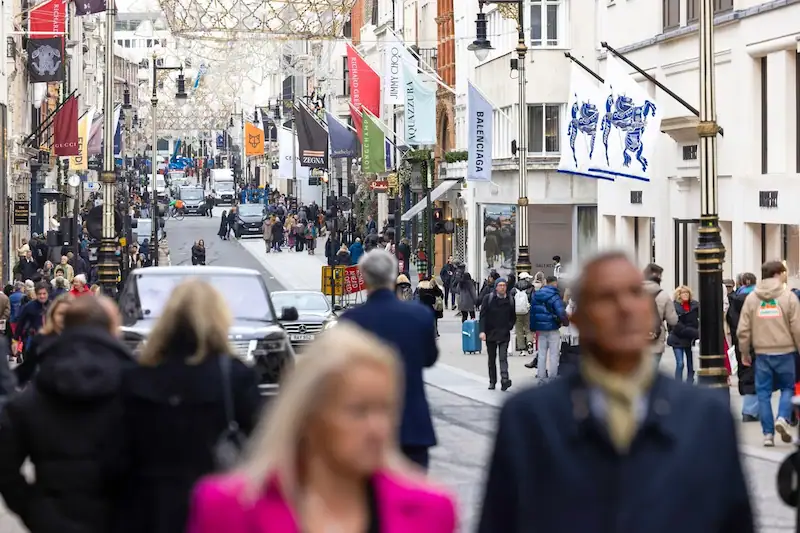


In a recent report by real estate broker Cushman & Wakefield, it was revealed that three of the leading luxury conglomerates in the world - LVMH Moët Hennessy Louis Vuitton SE, Richemont, and Kering - collectively opened only 29 stores in Europe last year, marking a 20% decrease from 2023. The slowdown in store openings underscores the luxury industry's ongoing recovery journey following the turbulent impact of the pandemic.
Among the conglomerates, LVMH took the lead by inaugurating 15 stores, followed by Richemont with 11 and Kering with just three openings. Compared to the 36 stores opened collectively in 2023, this decline reflects the sector's efforts to navigate fluctuating consumer demand, particularly among Chinese shoppers.
The financial performance of these luxury giants also reflects the challenges faced in the market. While LVMH witnessed a dip in profits, Kering reported a significant drop in annual recurring operating income to €2.55 billion - its lowest since 2016. In contrast, Richemont demonstrated resilience with a double-digit sales surge in the fourth quarter, driven by sustained interest in "hard luxury" items like jewelry.
The report also highlighted the challenges of securing prime retail locations in Europe's top luxury shopping districts. With only 83 new stores opened across 12 countries in 2024, down from 107 in the previous year, finding suitable space on prestigious streets remains a key issue for luxury brands.
Luxury rents continued to climb, increasing by an average of 3.6% in 2024, reflecting the premium placed on prominent retail locations. Retailers are prioritizing larger stores on exclusive streets to accommodate special features like private VIP areas, catering to their high-net-worth clientele.
Notably, London's Sloane Street has witnessed a surge in demand for larger store spaces, with luxury houses like LVMH's Dior and Kering's Bottega Veneta seeking to enhance the shopping experience for customers. The recent £46 million redevelopment of Sloane Street by Cadogan Estates yielded positive results, reducing the vacancy rate from 11% in 2023 to 8% in 2024.
As the luxury retail sector strives to adapt to evolving consumer preferences and market dynamics, the focus remains on strategic store placements in prime locations that offer a curated mix of complementary brands. The quest for exclusive addresses and premium shopping experiences continues to drive the next chapter in the European luxury retail landscape.