


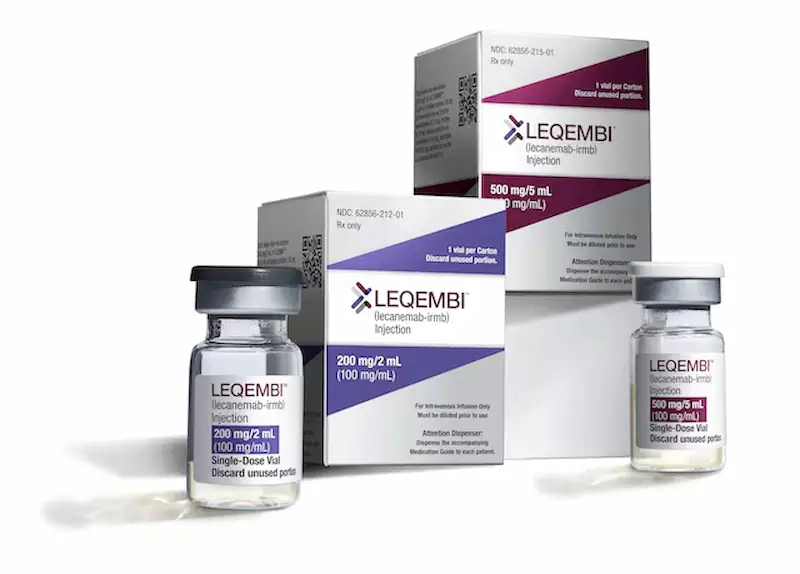


In a recent development, the European Union's medicines regulator, the European Medicines Agency (EMA), has reasserted its positive recommendation for the Alzheimer's drug Leqembi, co-developed by Eisai and Biogen. This decision follows a safety review initiated by the European Commission after the drug received approval in November for the treatment of certain patients with early-stage Alzheimer's disease.
The EMA's reaffirmation of the drug's safety profile highlights the commitment to ensuring patient safety while making innovative treatments accessible. Biogen's head of development, Priya Singhal, expressed confidence in Leqembi's safety and emphasized the collaborative efforts with Eisai to swiftly bring the treatment to patients across Europe.
Initially, the EMA's human medicines committee had endorsed Leqembi for a specific group of patients, diverging from its earlier stance that had raised concerns about the risk of serious brain swelling. The drug, also known as lecanemab, requires patients to undergo MRI scans before and during the treatment to monitor any potential brain swelling or bleeding, as highlighted by the U.S. Food and Drug Administration.
Leqembi has already secured approvals in several countries, including the U.S., China, Hong Kong, Israel, Japan, and South Korea. If authorized in Europe, it could potentially mark a significant milestone as the first drug approved to target the underlying causes of Alzheimer's disease rather than just managing its symptoms.
With this latest endorsement from the EMA, the path seems clearer for Leqembi to offer hope to patients grappling with the challenges of Alzheimer's disease, paving the way for potential advancements in treating this complex neurodegenerative condition.