


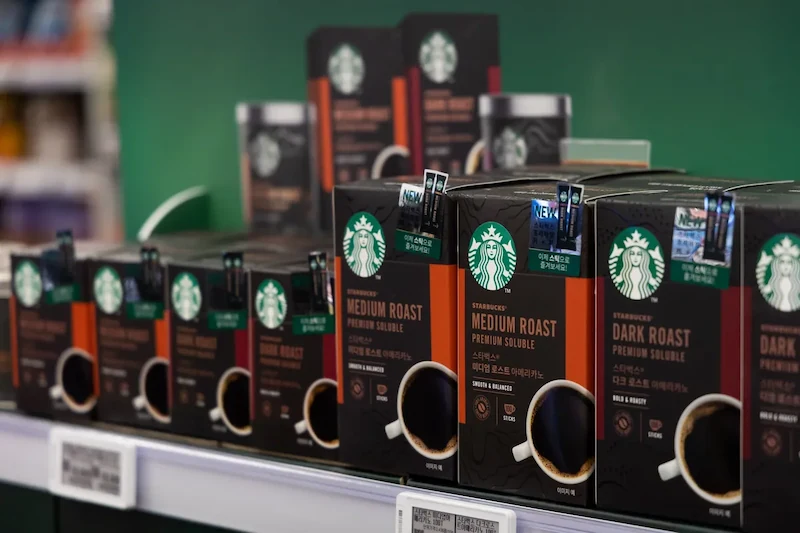


In a risky gamble that backfired, coffee roasters who opted out of hedging in anticipation of lower prices are now grappling with the consequences. As a result, consumers are bracing for the impact of skyrocketing costs in their daily caffeine fix. Companies like JDE Peet’s NV and Starbucks Corp., which typically use the futures market to shield themselves from price fluctuations, now find themselves in a tough spot as prices continue to climb beyond their control.
Statistics reveal the grim reality facing consumers, with the average price of a pound of ground roast coffee hitting an all-time high of $7.25 in February, as reported by the US Bureau of Labor Statistics. The reverberations of this price surge are expected to be keenly felt by coffee lovers worldwide, as companies grapple with the difficult decision of passing on the increased costs to their customers.
The root of this crisis traces back to a perfect storm of factors, with a devastating drought in Brazil - the top coffee producer - sending prices soaring to unprecedented levels earlier this year. Fueling the supply crunch is the market dynamic of backwardation, where near-term contracts are pricier than future ones, pushing roasters to operate on a hand-to-mouth basis. The soaring costs of holding inventory have left traders financially strained, struggling to transport beans from production centers to consumer markets.
Industry insiders like Thiago Cazarini, a Brazil-based broker, paint a stark picture of the challenges facing roasters, many of whom are currently operating at a loss due to spiraling raw material costs. Even small to mid-size roasters, typically risk-averse, are shying away from the futures market, wary of the uncertainties in the current market landscape.
Amidst this turmoil, companies such as Gregorys Coffee in New York, with over 50 locations nationwide, have had to rethink their hedging strategies in the face of exorbitant prices and market volatility. According to CEO Gregory Zamfotis, the feasibility of hedging has greatly diminished for players of their scale, echoing sentiments shared by trading associate Tomas Araujo at StoneX Group Inc.
As roasters navigate this tumultuous terrain, their reluctance to hedge amid uncertain market trends poses a worrisome question: Will consumers be left to shoulder the burden of rising costs as the coffee industry grapples with an unprecedented supply crisis? The future remains uncertain, with roasters cautiously watching for a potential market correction, but with no clear end in sight to the ongoing price surge.