


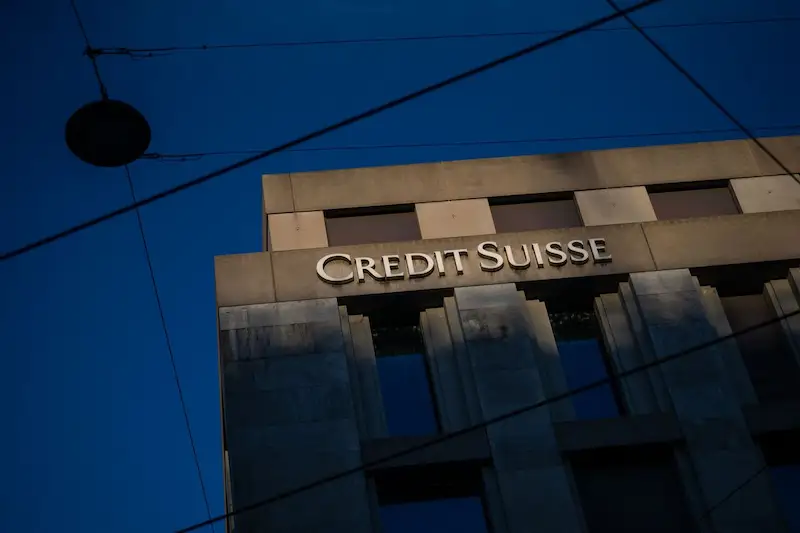


UBS Group AG is taking steps to wind down the electronic-trading platform it acquired from Credit Suisse as part of its ongoing efforts to shed assets from the financially troubled bank. The Swiss bank plans to shut down Crossfinder, the alternative-trading system, and AES, the associated algorithmic-trading business. These businesses were once at the forefront of electronic trading and innovation on Wall Street.
According to sources familiar with the matter, Crossfinder's last day of operations will be on August 31, after which AES will no longer route orders to the system. Clients have been advised to reach out to UBS Cash Equities ATS staff for assistance with alternative options. UBS, however, declined to comment on the matter.
The closure of Crossfinder is the latest in a series of sales and wind-downs by UBS, following its acquisition of Credit Suisse in a multimillion-dollar government-brokered rescue deal. UBS had previously stated that it would provide more information later this month regarding the non-core unit that will house the businesses and assets it intends to divest.
UBS already operates its own alternative-trading system, which held a market share of 15.7% in May, making it the largest dark pool in the industry. This market share is three percentage points higher than its closest competitor, Goldman Sachs' Sigma X2.
Credit Suisse's Crossfinder was once one of the largest alternative-trading systems, but its volumes have significantly decreased since the collapse of Bill Hwang's Archegos Capital Management and UBS's takeover of Credit Suisse. In fact, volume on Crossfinder ATS plummeted by 70% in the four months leading up to May as trading desks removed the dark pool from their routing tables.
Dark pools, such as Crossfinder, are trading venues where buyers and sellers can trade securities anonymously, keeping their identities hidden until the trade is executed. Some investors prefer trading on these platforms to conceal their intended price and avoid affecting market movements.
Credit Suisse had struggled to recover from losses of approximately $5.5 billion caused by the Archegos scandal. The bank had heavily invested in its equities and electronic trading businesses, including AES. AES, developed in the early 2000s, provides algorithmic-trading strategies, tools, and analytics for global trading across various asset classes.
Despite the setback, AES had proved to be a resilient trading platform during times of extreme market volatility, such as the 2008 financial crisis, the 2010 flash crash, and the onset of the Covid-19 pandemic in 2020, as recognized in the "Banking Tech Awards 2022" winners pamphlet.
While Crossfinder was once a major alternative-trading system, with market share ranking third as recently as June 2022, it now has a market share of only 1.9%, just above the median.
Overall, UBS's decision to shut down Crossfinder and AES reflects its efforts to streamline its operations and divest non-core assets inherited from the acquisition of Credit Suisse.