


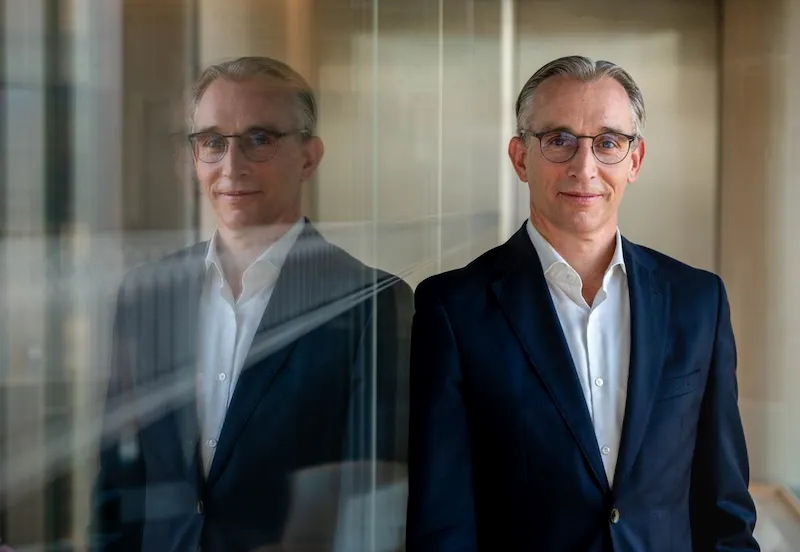


Dutch medical device manufacturer Royal Philips NV is bracing itself for a long and costly battle as it continues to deal with the fallout from a recall of its sleep apnea devices. According to the company's CEO, Roy Jakobs, it may take up to seven years to fully resolve the issue. Philips is currently negotiating a consent decree with the US Food and Drug Administration (FDA) and facing lawsuits from users of the machines, who have experienced health complications due to disintegrating noise-dampening foam inside them.
The company has already set aside €1 billion ($1.1 billion) to cover the recall of approximately 5.5 million devices, and in a recent development, agreed to pay at least $479 million to settle some of the litigation. However, Philips still faces numerous class-action lawsuits and potentially thousands of individual lawsuits regarding this matter.
Philips is also under investigation by the US Department of Justice and is in discussions with the FDA regarding a proposed consent decree, which could result in the company having to cease some of its operations in the US until corrective actions are completed. As of now, Philips has not made any financial provisions for these potential consequences.
Jakobs, who assumed the role of CEO in October 2020, mentioned that the first phase of the recall is nearly finished, with 99% of the devices replaced. However, lawyers representing consumers argue that Philips officials were aware of the foam problems as early as 2008 but only issued the recall in 2021.
Sleep apnea devices are designed to deliver extra airflow to treat obstructive apnea, a condition that disrupts proper sleep and can lead to serious heart issues. The FDA has received 385 reports of deaths possibly linked to malfunctioning Philips machines.
While these reported deaths are still under investigation, Jakobs stated that the company has conducted its own testing, which suggests that no significant harm is caused by the devices.
Philips' shares have plummeted by over 50% since the initiation of one of the medical technology industry's largest recalls in June 2021.
Holly Froum estimates that Philips may have to pay between $2 billion and $4.5 billion to settle personal-injury claims related to the devices. Citigroup has projected that the total exposure for Philips could reach around €5 billion. Jakobs, however, refrained from speculating on the overall cost of the recall.
In August, Jakobs received a vote of confidence in his turnaround plans when the Agnelli family's Exor NV purchased a 15% stake in Philips for approximately €2.6 billion. Exor NV is an Italian investment group that controls Ferrari, Juventus Football Club, and has investments in various other industries.
While Philips recently raised its sales guidance for the full financial year, a decline in new orders during the second quarter impacted the company's outlook. Jakobs stated that Philips aims to generate up to €900 million in cash this year and increase it to €1.2 billion by next year.
Despite ongoing trade tensions and geopolitical developments, Jakobs emphasized that Philips has no intention of pulling back from China, which accounts for around 15% of its revenue. He noted the importance of having the appropriate supply-chain setup to meet customer needs in different regions.