


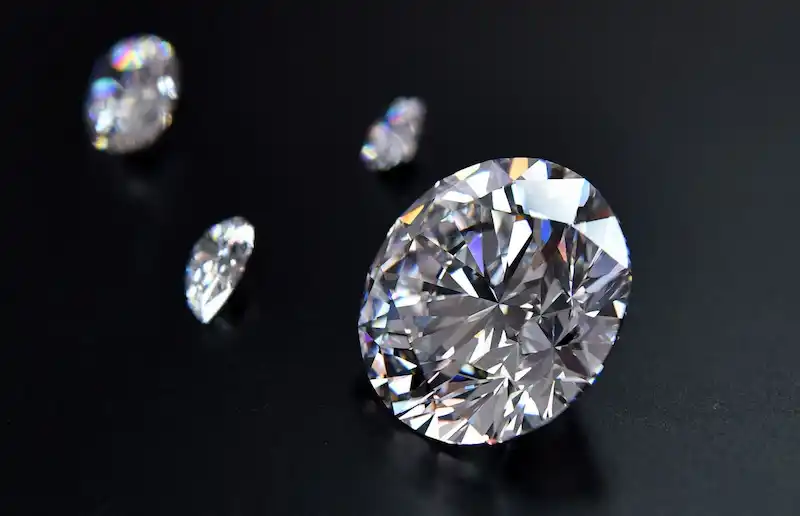


In a surprising move, De Beers, the leading player in the diamond industry, offered its buyers the option to purchase nothing at their recent sale in Botswana. Traditionally, buyers are expected to take their allocated diamonds at a predetermined price or face penalties. However, with diamond prices experiencing a significant decline worldwide, De Beers had no choice but to introduce more flexibility and ultimately remove all restrictions.
This desperate measure comes as the diamond industry attempts to combat this year's sharp plunge in prices. Decreased consumer demand has resulted in buyers being left with excessive inventories. Alrosa PJSC, De Beers' primary rival, has already canceled sales for two months, while India's diamond market, a key cutting and trading hub, has voluntarily halted imports.
During the recent De Beers sale, buyers from Antwerp and India seized upon the offer of flexibility, purchasing a mere $80 million worth of rough diamonds. Typically, De Beers expected sales to reach between $400 million and $500 million. Excluding the early months of the pandemic, this is the lowest sales figure De Beers has recorded since publicly disclosing results in 2016.
The collapse in diamond prices has caught many industry insiders off guard. Initially, the diamond trade seemed to thrive during the global pandemic, as isolated consumers turned to luxury purchases like diamond jewelry. However, as economies reopened, demand quickly cooled, leaving many in the industry with excessive stock purchased at high prices.
The decline in diamond prices has affected different categories, with wholesale polished diamonds experiencing a 20% drop this year. Consequently, the price of rough diamonds, or uncut stones, has plummeted by as much as 35%, with the most substantial declines occurring in late summer and early autumn.
The industry's response to this crisis has been to significantly restrict supply. This approach has yielded positive outcomes, as smaller tender sales and auctions recently observed price increases between 5% and 10%, signaling emerging shortages of certain stones. With Indian factories scheduled to resume operations following the Diwali closure, confidence in the industry's recovery has been restored.
Anish Aggarwal, a partner at specialized diamond advisory firm Gemdax, affirms that the diamond industry has managed to stabilize its situation through proactive actions. This stabilization period provides a window of opportunity to rebuild confidence and regain momentum.
It is worth noting that the decline in diamond prices aligns with a broader weakness across the luxury sector. LVMH, the luxury conglomerate encompassing renowned brands like Christian Dior and Bulgari, has disappointed investors as China's recovery fell short and demand from US consumers cooled. Similarly, Cartier owner Richemont reported an unexpected decline in earnings, attributed to a reduction in revenue from luxury watches and decreased spending among high-end customers.
While the diamond industry faces similar challenges to the broader luxury market, it also possesses unique vulnerabilities. De Beers conducts its diamond sales through ten annual events, during which buyers (known as sightholders) typically accept the offered price and quantities. When prices are rising, buyers are incentivized to speculate on future price increases. Moreover, large purchases are rewarded with increased future allotments, leading to speculative bubbles. Subsequently, as consumer demand wanes and polished diamond inventories build up, these bubbles burst.
In response to the crisis, Alrosa halted diamond sales for two months, while the Indian diamond sector imposed a self-imposed import halt until mid-December. De Beers granted its customers the freedom to refuse all purchases during its last two sales of the year without any impact on future allocations. While supply restrictions have halted the decline in prices and even led to some recent increases, the holiday season's performance remains critical. Additionally, large diamond miners with substantial unsold inventories must cautiously reintroduce these gems to the market.
The industry is also grappling with uncertainties surrounding whether the slowdown stems from macroeconomic weakness or a shift in consumer preferences. Lab-grown diamonds have made significant gains in certain market segments, raising concerns about how Generation Z consumers perceive diamonds compared to previous generations.
Christopher LaFemina, an analyst at Jefferies, anticipates a cyclical recovery in the diamond market. However, concerns persist about structural issues that could weaken long-term demand. The industry now stands at a crossroads, navigating the delicate balance between short-term stabilization and addressing inherent challenges to secure a resilient future.