


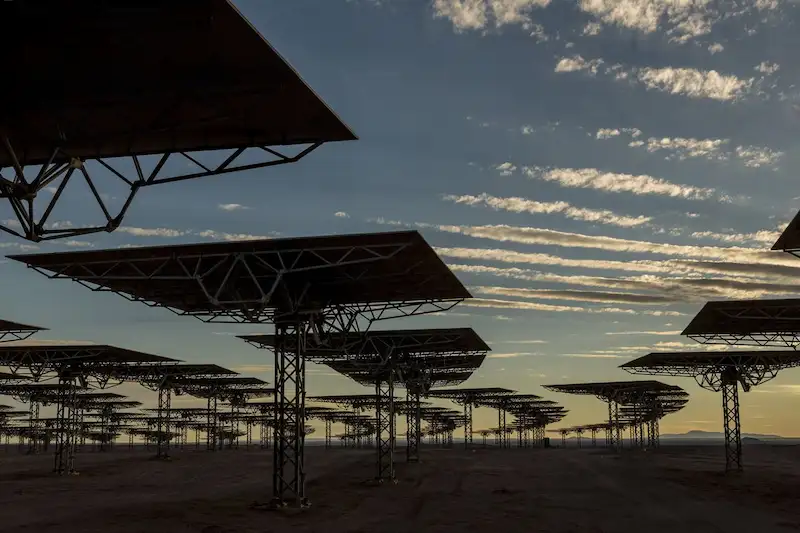


Chile has experienced a surge in the development of small solar power plants, which is causing concerns in the renewable energy industry. These small projects, known as PMGDs, are backed by major financial firms such as BlackRock and TPG. Originally considered a niche system, PMGDs are now becoming mainstream and are projected to meet around 40% of daylight-hour energy demand by 2025.
The rise of PMGDs is part of Chile's success story in renewable energy, as the country has abundant wind and solar resources, making it an attractive market for clean energy investment. PMGDs offer stability in pricing, which is particularly appealing for investors in a volatile market where larger producers may receive no payment for their spot sales during periods of renewable energy excess.
However, the proliferation of PMGDs is causing unintended consequences. According to the hydroelectric association Apemec, payments to PMGDs will cost the system $300 million next year and $500 million in 2025. This additional cost will be borne by other generators, industrial customers, and potentially regulated clients like households. Apemec warns that power bills could increase by approximately 10%, creating concerns in a country where the government aims to reduce electricity costs for low-income earners.
The mechanism behind PMGDs allows all power generated by these smaller plants to be compensated at stable prices, regardless of the time it was produced. This was meant to facilitate market access and financing for these projects. Currently, the average price stands at around $70 per megawatt hour.
These unintended consequences serve as a warning for other countries striving to transition to cleaner energy grids. Similar schemes in more developed markets such as Germany and Spain led to unexpected installation costs and program blowouts.
In Chile, the rise of PMGDs can be traced back to a 2006 decree that granted small generators access to the spot market and introduced price stabilization mechanisms. These mechanisms aimed to support financing for projects up to 9 megawatts in size, falling between residential and industrial scales. PMGDs also benefit from being located closer to consumption centers, reducing transmission issues.
In recent years, financial institutions and family offices have been attracted to the market offering quick investment recovery and steady returns. Notably, BlackRock has been actively involved, providing financing for solar developer Solek and acquiring several solar projects. TPG-backed Matrix Renewables and other firms have also invested heavily in PMGDs.
However, business and industry groups are now lobbying for rule changes, arguing that the protection from spot-market price fluctuations incentivizes an oversupplied market. These groups claim that the current situation has led to insolvency for some renewable energy players due to transmission and storage challenges.
The independent system coordinator, CEN, is recommending changes to the pricing calculation system to reduce overall costs. It is unclear whether the Energy Ministry is considering these recommendations.
Consumer rights groups, such as Conadecus, have raised concerns about the artificially profitable nature of PMGDs, which they argue leads to extraordinary returns for large investment funds and transnational companies at the expense of consumers.
In conclusion, while PMGDs have contributed to Chile's renewable energy success story, their rapid expansion is causing strain on the system and inflating power bills. The country now faces the challenge of finding a balance between supporting small-scale renewable energy projects and ensuring an affordable and sustainable energy supply for all consumers.