


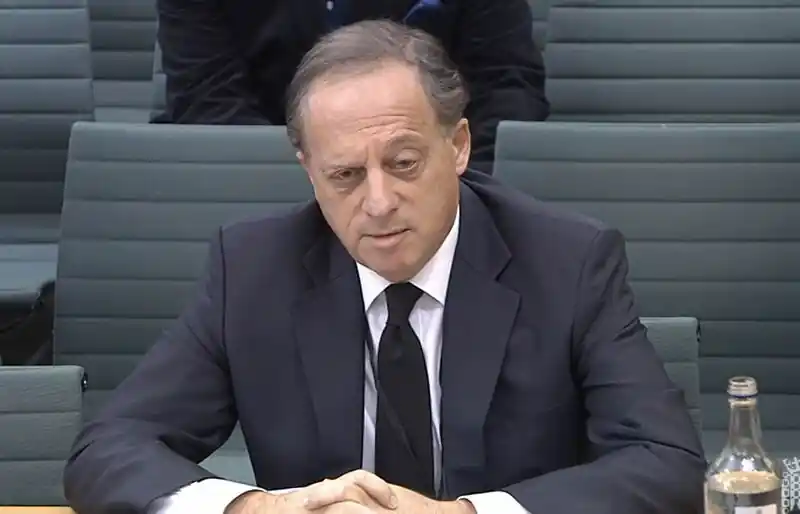


Richard Sharp, the Chairman of the BBC, has resigned from his post after an investigation found that he had breached transparency regulations by failing to disclose his ties to the UK's Conservative Party leadership. The investigation was commissioned by the UK government appointments watchdog after it was revealed that Sharp had helped arrange a loan worth up to £800,000 to former Prime Minister Boris Johnson, which was not disclosed during his application for the BBC role.
The final report, conducted by senior lawyer Adam Heppinstall KC, concluded that Sharp had breached the UK governance code and lacked transparency, which risked the perception of a conflict of interest. Sharp maintained that the breach was inadvertent and not material, but he acknowledged that the episode could be a distraction from the corporation's good work.
Sharp, who is 67 years old and a former banker, worked in an unpaid advisory role for Johnson and current Prime Minister Rishi Sunak during the Covid-19 outbreak in 2020. His resignation removes pressure for Sunak to take action, as the Prime Minister has emphasized his desire to run a government defined by integrity. This comes just a week after another senior lawyer's report found Deputy Prime Minister Dominic Raab guilty of bullying, prompting him to resign as justice secretary.
Culture Secretary Lucy Frazer thanked Sharp for his work in a public letter, and expressed confidence that he would continue to make a significant contribution to public life. However, the opposition Labour Party's Lucy Powell criticized the breach, saying that it had caused damage to the reputation of the BBC and undermined its independence as a result of the Conservative Party's alleged "sleaze and cronyism".
Sharp began his four-year term as chairman of the publicly funded BBC in February 2021, and was asked about his ties to the government during the application process. He denied that anyone in the party had helped his application. However, the Sunday Times reported in January that Sharp was recommended for the job after helping Johnson secure the loan. This raised concerns that the government-led appointment process could have been compromised, leading to the establishment of the Heppinstall review.
During the appointment process, Sharp did not disclose his conversations about the loan to the public or to lawmakers, but he did inform Cabinet Secretary Simon Case. Case wrote to Johnson in December 2020, stating that Sharp's appointment made it "important that you no longer ask his advice about your personal financial matters," according to the Sunday Times.
In February, a committee of lawmakers criticized Sharp for not disclosing his talks about the loan, stating that it undermined confidence in the public appointments process. They also noted an "unresolved issue about why the cabinet secretary believed Mr Sharp had been giving financial advice to the then prime minister, which Mr Sharp insists that he had not done." The commissioner for public appointments launched a probe into the process, and then recused himself because he had met Sharp on previous occasions, passing the job to Heppinstall.