


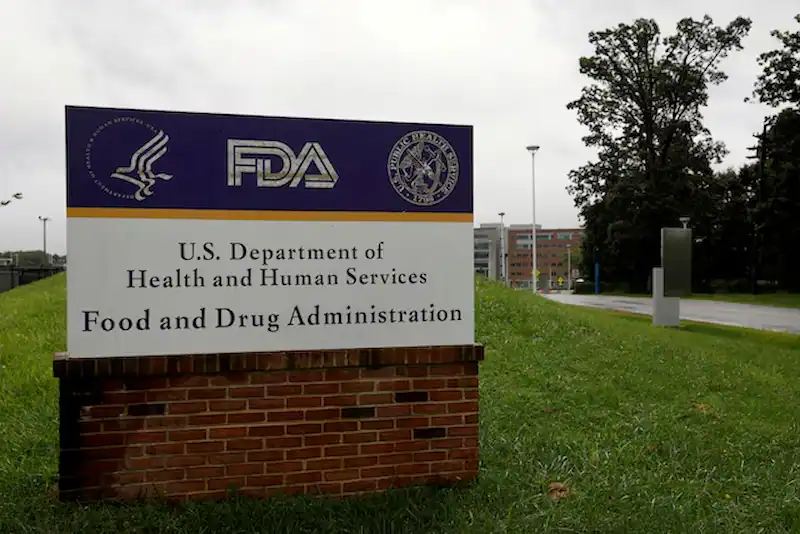


In a recent development, Intercept Pharmaceuticals announced that the U.S. Food and Drug Administration (FDA) has decided against granting full approval for their liver disease drug, Ocaliva. Instead, the drug will continue to be available in the U.S. under the accelerated approval status, with the FDA requiring additional trials to verify its benefits. The decision raises uncertainties about the future of Ocaliva in the market, as failure to demonstrate effectiveness in the new trials could lead to the drug being withdrawn.
Ocaliva, initially granted accelerated approval in 2016 to treat patients with primary biliary cholangitis, a rare liver disease, faces challenges due to difficulties in enrolling enough patients for confirmatory trials. With less than 200,000 cases reported annually in the U.S., the rarity of the condition complicates gathering sufficient data for regulatory purposes.
The FDA's stance aligns with the concerns raised by an independent panel of experts in September, indicating that the existing data does not definitively establish the drug's effectiveness or dispel safety doubts. The decision places the onus on Intercept Pharmaceuticals to decide the next steps and potentially invest more resources in collecting additional data for Ocaliva.
Amidst this regulatory backdrop, Ocaliva faces competition from other treatments like ursodeoxycholic acid and Gilead's Livdelzi, which have also been approved for primary biliary cholangitis. The European Medicines Agency had earlier revoked Ocaliva's conditional authorization citing unconfirmed benefits. The unfolding scenario underscores the uncertainties surrounding the future of Ocaliva in the treatment landscape for liver diseases, with its fate hinging on the outcome of the upcoming trials and the company's commitment to pursuing further research.