




It’s a strange thing, watching an industry built on sun, wind, and promise start to creak and groan under pressure — not from nature, but from manmade forces: politics, money, and momentum lost.
Right now, that’s the reality for America’s clean energy sector. What seemed like an unstoppable rise is slowing — some would say stalling — and the reasons aren’t hidden behind economic jargon or industry-speak. They’re painfully visible. Borrowing money isn’t cheap anymore, policy winds are shifting, and investors are stepping back. What was supposed to be a sunrise moment is feeling more like dusk.
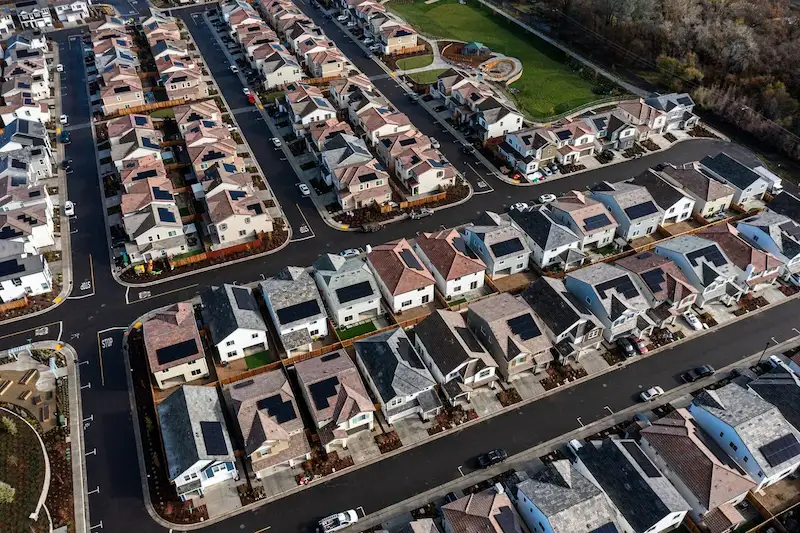
Just this week, Sunnova Energy, a name once shouted proudly from rooftops in solar communities, filed for bankruptcy. It’s the second big name in home solar to fall recently, right behind Solar Mosaic, a key lender that helped finance rooftop systems across the country. These aren’t tiny players—they were foundational.
And then there’s the broader landscape. Since January, more than $14 billion in renewable energy and electric vehicle investments have either been scrapped or shelved. That’s not a slowdown — that’s a warning flare. Analysts from E2, a clean energy policy group, say the losses aren’t just dollar signs; they’re lost opportunities, especially as AI-powered data centers balloon and demand more and more power. The irony? Solar and wind are among the fastest, most cost-effective ways to get energy on the grid. But right now, it doesn’t seem to matter.
Politics is playing a bigger role than ever. The Trump administration's strong preference for fossil fuels — paired with a renewed Republican push to end the tax breaks for solar systems that Biden’s climate law introduced — is dragging clean energy backward. The federal incentives kept many solar businesses afloat. Take them away, and the whole residential solar model wobbles.
In fact, some analysts think cutting those tax credits would halve the home solar market. Not reduce. Not shrink. Halve.
The Sunnova story is particularly grim. They were already carrying heavy debt before the current headwinds. Their big bet — rapid growth fueled by financing — was a risk. They secured a $3 billion loan guarantee from the Biden administration, aimed at helping low-income homeowners go solar. That promise? It largely vanished before the collapse.
By March, their founder had stepped down, and the company warned it might not survive. Share prices plummeted more than 90%. For a firm once valued in the billions, a market cap of $27.5 million is almost unrecognizable.
Still, Sunnova isn’t an isolated case. There’s a pattern — a sort of quiet culling happening across the industry. SunPower. SolarCity before that. And others in between. Names that once defined clean energy’s future now whisper reminders of risk and volatility.
What happened? Interest rates spiked. California slashed solar subsidies. And suddenly, an entire business model that relied on easy capital and generous policy support started to crack.
In the end, it’s not just about loans or legislation. It’s about whether the U.S. is really prepared to back the energy transition — or if the commitment to clean power was only real while it was easy.
Right now, it’s not easy. And for more and more companies, it’s not sustainable.