


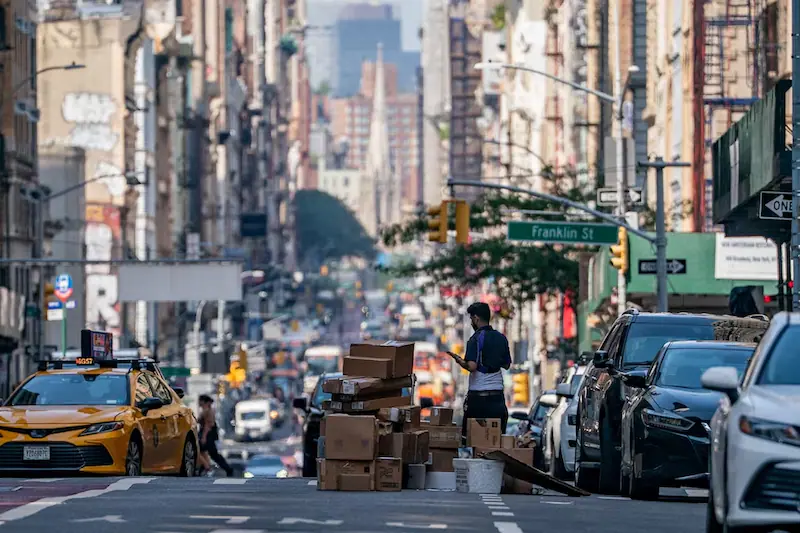


The air hung heavy over cities from Chicago to Boston as millions of people stepped into what felt more like the mouth of an oven than a June morning. Before the sun even hit its stride, thermometers across the U.S. Northeast and Midwest had already crept into the 90s, and forecasts promised no mercy. Humidity made it worse, pushing the “feels like” temperatures into triple digits—110°F in some places—and by nightfall, there was no relief. Even the darkness wasn’t cool. In many East Coast cities, the air barely dropped below 80°F as people tried to sleep through a heatwave that didn’t want to end.
It’s not just uncomfortable—it’s dangerous. The kind of heat that exhausts you after only a few minutes outdoors, that leaves you drenched and dizzy, is a public health threat. But oddly, many people still don’t see it that way. Howard Frumkin, an expert in environmental health, says there’s a gap between how deadly these heat waves really are and how seriously people take them. It’s not just about sweating through your shirt—it’s about your heart working overtime, your body struggling to cool itself, and the real risk of collapse.
In Washington D.C., Raleigh, and cities across the heat map, police departments were reminding their officers to drink water, find shade, and take breaks. Employers were urged to reconsider outdoor work hours or allow for extra rest. Laborers out in the sun aren’t just uncomfortable—they’re at serious risk.
Amtrak, too, had to adjust. On Monday, trains slowed down or stopped altogether. Not because the tracks were blocked, but because the heat had literally warped them. When rails bake under direct sunlight and hit temperatures around 128°F, they can bend and shift—making train travel too risky. So Amtrak issued heat restrictions, cutting speeds and delaying schedules.
Meanwhile, electricity grids strained under the pressure. Demand surged as people turned up their air conditioners, and power plants had to crank at full output. Operators across the Northeast warned of the potential for outages as systems were pushed to their limits.
In New York, the heat didn’t just break thermometers—it broke records. Tuesday’s forecast of 97°F would shatter a high that stood since 1888. That’s not just hot. That’s historic.
And it’s not just happening here. From Alaska, which last week saw its first-ever heat advisory, to England, where scientists now estimate extreme heat is ten times more likely than it was decades ago, the story is global. Last month, China roasted under scorching temperatures. Last year was the hottest the planet has ever recorded. And the trajectory isn’t leveling out. It’s climbing.
Este Geraghty, a health data expert, tracks how rising temperatures are impacting people around the globe. Her conclusion? “It’s just getting hotter everywhere.” And that “everywhere” really means everywhere. The idea that the Midwest was safe from heat extremes? That’s fading fast.
The effects go far beyond discomfort. Crop failures, wildfires, energy blackouts, cancelled trains—these are just some of the economic disruptions tied to extreme heat. A report this month from the Swiss Re Institute described heat as one of the costliest and deadliest threats linked to climate change. More dangerous, in fact, than hurricanes or floods. Because while those disasters come with clear warnings, extreme heat often creeps in quietly—until the toll starts adding up.
Nina Arquint, from Swiss Re Corporate Solutions, put it plainly. These heat waves are warning signs. They’re telling us we’re not prepared. And though the damage might not make headlines the way an earthquake or a flood does, the number of lives lost, the strain on systems, and the long-term costs are enormous—and growing.
No longer can we assume that some regions will be spared, or that this is just another summer fluke. We’re past that. What we’re facing now is something different. It’s a shift. And whether we recognize it or not, it’s already reshaping our world.