




The global transition to electric vehicles (EVs) is already disrupting the automotive industry, with profound consequences for future investment in the sector. According to BloombergNEF's annual Electric Vehicle Outlook report, EVs are set to have a significant impact, not only on the auto industry but on the wider global economy.
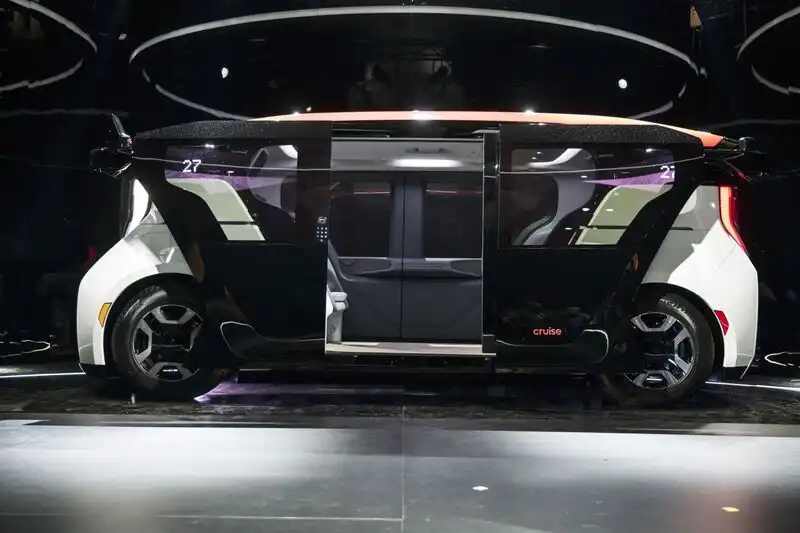
The report highlights the potential of autonomous vehicles (AVs) to revolutionize the passenger vehicle market. AVs, or "robotaxis," are a wildcard in terms of how they will impact the automotive industry, as their widespread adoption could have a significant influence on the size and distribution of the passenger vehicle fleet.
The report outlines two scenarios related to AV adoption. Depending on the region in which they operate, robotaxis can cover three to five times the annual distance of a private passenger vehicle. In a high AV adoption scenario, the 2050 fleet of passenger vehicles on the road would be 29% smaller than in the economic transition scenario. Meanwhile, in a low-AV adoption scenario, the passenger vehicle fleet would continue to grow, ending up at more than 1.8 billion vehicles, a 29% increase from the economic transition scenario.
The report underscores the importance of electric vehicles and batteries to many countries’ industrial policies, with significant investment to secure a spot in the market. The cumulative value of EV sales across all segments hits $8.8 trillion dollars by 2030 and $57 trillion by 2050 in the economic transition scenario. In the net-zero scenario, where all vehicles have zero tailpipe emissions by 2050, the cumulative value jumps to more than $88 trillion. These statistics demonstrate why EVs and batteries are emerging as central to many countries' economic strategies and that competition to attract investment will only intensify in the coming years.
The extent to which autonomous vehicles will become mainstream remains uncertain, but their potential to significantly impact the passenger vehicle market is clear. As electrification becomes increasingly integral to the transport value chain, the development of AV technologies is set to determine the industry's future trajectory.