


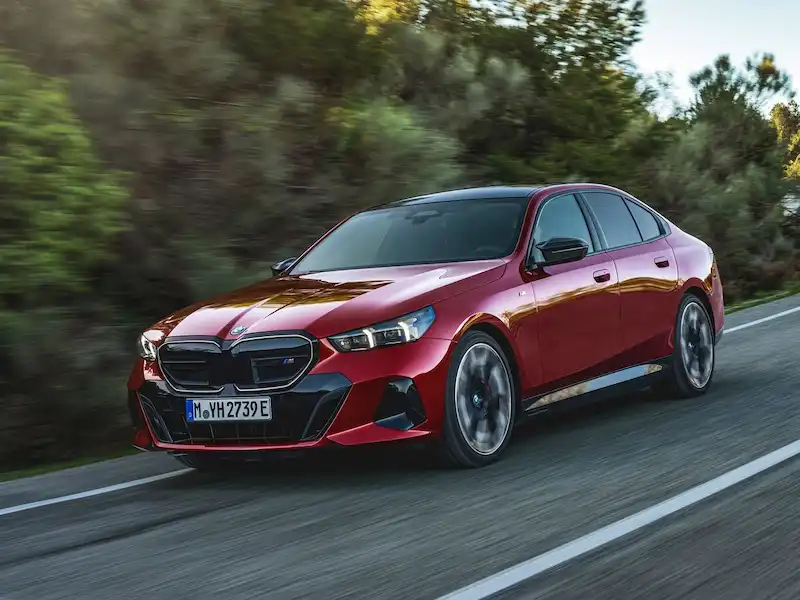


Luxury car manufacturer BMW is increasing its investment in electric vehicles (EVs) after experiencing a significant increase in battery-powered car deliveries during the first half of this year. The strong interest from consumers in EVs has compelled BMW to allocate more resources than originally planned for the global expansion of its e-mobility offerings. According to CFO Walter Mertl, the investments directed towards the current and next generation of EVs, especially in battery technology, are substantial.
In the second quarter alone, BMW's development spending rose by nearly 20% to €1.84 billion ($2 billion). The surge in spending is a direct response to the growing demand for EVs, which accounted for around 13% of BMW's total deliveries during the first six months of the year. Vehicles like the i4 sedan and iX3 SUV have been particularly popular and have contributed to the increased sales of electric models. The company expects EV deliveries to represent at least 20% of its total sales next year.
BMW faces stiff competition from Tesla, which has been dominating the global EV market due to its aggressive price reductions. Additionally, local manufacturers like BYD in China, a crucial market for German automakers including BMW, Volkswagen, and Mercedes-Benz, have seen significant success in the EV sector. Despite this competitive landscape, BMW has managed to maintain stable prices for its all-electric models globally. CEO Oliver Zipse commented that the company is currently satisfied with their pricing strategy in China, a key market for EVs.
Moreover, BMW reports that all its EV variants are profitable, and the profitability is expected to increase further. This comes as the carmaker has recently introduced pure-electric versions in higher segments like the 7-series and 5-series. The optimistic outlook is also reflected in BMW's sales forecast, with expectations of solid sales growth in 2023, driven by the new 5-Series sedan and its electric counterpart, the i5.
Despite positive prospects, BMW acknowledged in a recent statement that increased costs for parts, coupled with logistical challenges, are impacting its cash flow. The company aims to ensure customer demand is met by increasing inventories, which will inevitably result in higher costs. The recent easing of semiconductor shortages has presented a new bottleneck in the automotive industry, causing logistical constraints for several carmakers. This includes Volkswagen, which adjusted its delivery outlook due to shortages of trains and truck drivers, as well as Porsche, which had to limit sales of its electric Taycan due to component sourcing issues.
Overall, BMW reported second-quarter earnings before interest and tax of €4.34 billion, a substantial increase of 28% compared to the same period last year. This exceeded analyst expectations and contributed to automotive returns rising to 9.2%. While there are challenges ahead, BMW remains committed to investing in electric mobility as it seeks to catch up with its competitors and meet the growing demand for EVs worldwide.