


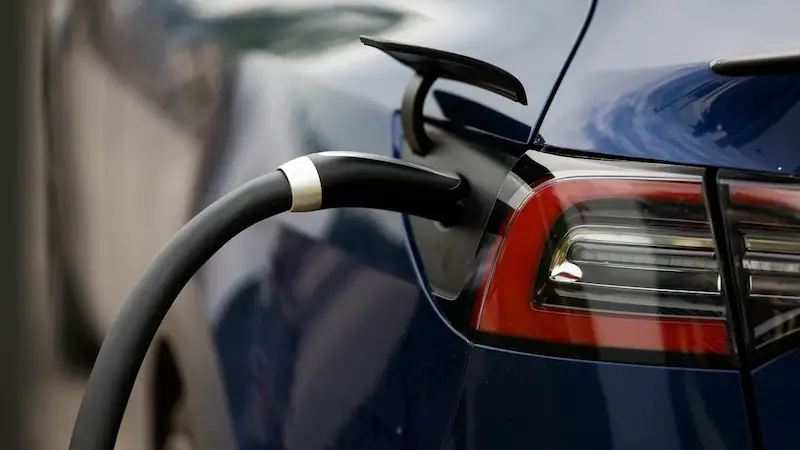


Electric vehicle (EV) sales have seen a significant boost this year, with more consumers opting for these eco-friendly options than ever before. According to data from Cox Automotive, the second quarter of this year witnessed close to 300,000 new battery-electric vehicles (BEVs) being sold in the US, breaking previous records. This remarkable figure represents a growth of over 48% compared to last year's sales and exceeds the total number of EVs sold in 2019. These figures only account for BEVs, not plug-in hybrid electric vehicles (PHEVs), which offer the flexibility of running on both electricity and gasoline.
Cox Automotive predicts that the US will surpass the one million EV mark in 2023, indicating a steady upward trajectory in EV adoption. Already, more than 557,000 BEVs have been sold in the US in the first half of this year alone.
Several factors contribute to the growing popularity of EVs. Price reductions, wider availability of models, and increased government and manufacturing investments are all driving consumer interest. In addition, the Inflation Reduction Act (IRA) has played a significant role in boosting sales. Introduced earlier this year, the IRA offers federal tax credits of up to $7,500 on EV purchases, depending on where the vehicles and their components are sourced and assembled. Among the best-selling EVs this year, models such as the Tesla Model 3, Model Y, Chevrolet Bolt, Rivian R1T, and Volkswagen ID.4 are eligible for this tax credit, further incentivizing consumers to go electric.
Despite this positive trend, the journey towards an EV-dominant market will take time. The US Energy Information Administration projects that it will take several decades for EVs to constitute a majority of new car purchases. Even under scenarios with high oil prices, EV adoption is expected to remain below 30%. This forecast is attributable to factors such as consumer price sensitivity and the need for an expanded charging infrastructure.
Price remains a significant barrier to widespread EV adoption. While automakers like Tesla and Ford have reduced prices, EVs still carry a premium compared to traditional gasoline vehicles. The average price of an electric vehicle in July was $53,469, whereas the average price across all vehicles was $48,334, according to Kelley Blue Book.
Concerns over charging infrastructure availability also persist. Although the number of charging stations has increased, they are still inadequate to support mass EV adoption. As of the first quarter of this year, there were approximately 134,000 charging stations and 3.34 million EVs on US roads. To meet the recommended charger-to-car ratio of 7:1, the US must increase its charging infrastructure by two and a half times the current number. Furthermore, geographic disparities in charging infrastructure persist, with nearly 30% of all charging stations located in California.
To support the continued growth of EV sales, it is crucial to invest in charging infrastructure and implement state and national incentives. California, in particular, has taken a leading role in EV adoption by setting goals to ban sales of new gas-powered cars by 2035. Other states have also committed to following California's lead. By ensuring a robust charging infrastructure and implementing supportive policies, the transition to widespread EV adoption can be accelerated.