


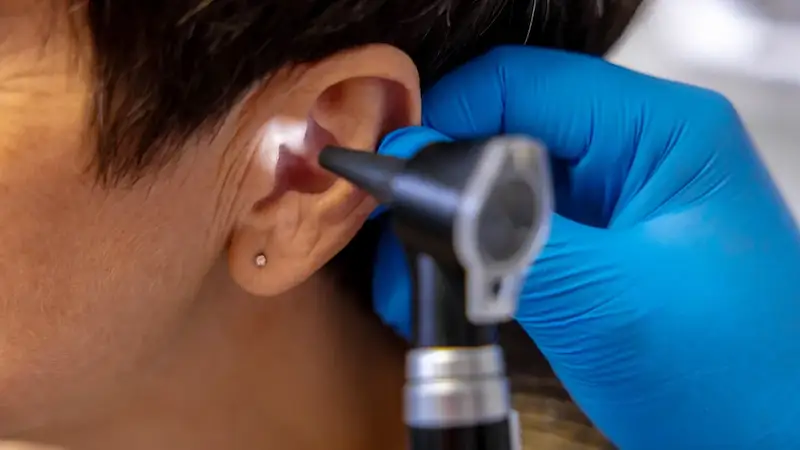


The research, published in The Lancet, followed over 437,000 people in a cohort from the UK Biobank over the long term. It found that hearing loss may increase the risk of dementia, but using hearing aids lowered the risk to levels similar to those without hearing loss. The study also accounted for other factors such as loneliness, social isolation and depression, but found that untreated hearing loss still had a strong association with dementia.
The results of the study support the findings of a 2020 Lancet commission on dementia prevention, intervention and care, which suggested that hearing loss may be associated with around 8% of dementia cases. The use of hearing aids reduced the risk to levels similar to people without hearing loss, according to the study. Additionally, a December meta-analysis published in JAMA Neurology found that people with hearing loss who wore devices performed 3% better on cognitive scores in the short term.
However, despite many adults needing hearing aids, not enough use them, says Dr. Karina De Sousa, postdoctoral research fellow in the department of speech-language pathology and audiology at the University of Pretoria in South Africa. She was the lead author of a new study looking at over-the-counter hearing aids. “A recent study showed that only 15% of US adults with hearing loss use hearing aids,” De Sousa said. “There are many potential reasons people opt not to get hearing aids, but one issue has been the accessibility and affordability of the devices.”
To make hearing aids more accessible, the US Food and Drug Administration recently allowed people with mild to moderate hearing loss to buy hearing aids online or over the counter without a prescription. A small, preliminary study published in the journal JAMA Otolaryngology — Head & Neck Surgery also found that a self-fitting, over-the-counter hearing aid could be as good of an option for some people as those fitted by an audiologist.
Despite the FDA’s decision and the potential benefits of wearing hearing aids, Lise Hamlin, public policy director of the Hearing Loss Association of America, stresses that hearing loss should be addressed in multiple ways. While some people may find that an over-the-counter hearing aid works for them, others may need the help of a healthcare professional. Hamlin advises people to do their homework and consider their specific needs before making a purchase.