




In a thrilling display of athleticism, the Las Vegas Aces triumphed over the New York Liberty in game two of the WNBA Finals, seizing a commanding 2-0 lead in the series. While the Liberty have yet to put up a substantial fight, this heavyweight matchup between a potential dynasty and a superteam playing in the nation's largest market is a dream scenario for the league. Last year's champions, the Aces, boasted the best record this season, while the Liberty added three stellar players to their roster during the offseason, securing a second-place finish. The first game alone drew an impressive 729,000 viewers, making it the most-watched WNBA game in over two decades.
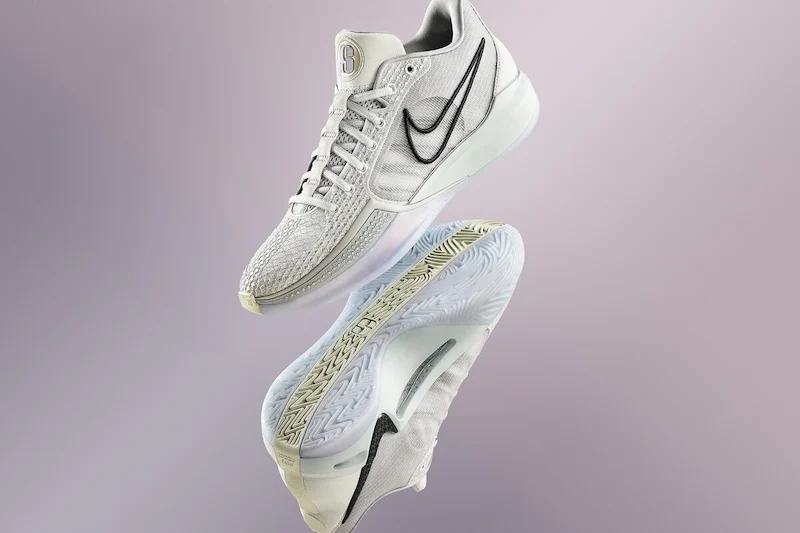
However, alongside this electrifying matchup, the WNBA Finals also serve as a showcase for Nike, which recently unveiled the Sabrina 1, a signature shoe for Liberty guard Sabrina Ionescu. Dubbed as a Steph Curry-esque sharpshooter, Ionescu's addition to the short list of WNBA athletes with their own signature shoe has further enhanced Nike's prominence in women's basketball. The Sabrina 1 was released in September, receiving substantial support from the brand, including national TV ads and prominent displays at major retailers like Dick's Sporting Goods and Foot Locker. Nike adopted a unisex approach in marketing the shoe, positioning it as "built to serve all hoopers" and complementing it with a line of gender-neutral lifestyle wear.
Nevertheless, Nike's decision to take a unisex approach has sparked controversy amidst a growing consensus that women's athletic shoes should be specifically designed to fit the shape of women's feet, which often differ from men's feet. Female athletes are known to have higher injury rates, particularly concerning the knees. Some experts have suggested that ill-fitting shoes could contribute to this problem. Matt Powell, a senior adviser at consulting firm Spurwink River, expressed his concerns about the industry taking a "big step backwards" with the Sabrina 1 in a recent LinkedIn post. He argued that most shoes labeled as women's performance shoes are actually designed for men.
In response, Nike issued a statement, claiming that their design team utilized women's-specific research and insights from Sabrina Ionescu herself to cater to the unique anatomical needs of women, such as ankle support, midfoot fit, underfoot cushioning, and shoe weight. The company also stated that the Sabrina 1 underwent testing with male athletes.
On a positive note, by targeting the broadest possible market, Nike recognizes that female athletes can be heroes for men as well, effectively pushing women's sports further into mainstream culture. On the day of the Sabrina 1 launch, several young men even found themselves in the women's section of the Nike flagship store in Manhattan, fascinated by the displayed shoes and eager to try them on. One individual, Akeem Thomas, a 29-year-old from Brooklyn who admitted to not closely following the WNBA, expressed his anticipation for the shoe release. However, like many others seeking larger sizes, he couldn't find a pair that day. The online resale market, StockX, revealed that larger sizes of the Sabrina 1 were being sold for double their retail price of $130, indicating a demand among men that surpassed supply. Eventually, Thomas managed to purchase a pair a few weeks later when resale prices dropped to within $30 of the retail price.
In response to the ongoing controversy, Nike expressed its satisfaction with how the shoe has been received by both female and male consumers, both in the United States and internationally. As the WNBA Finals move to Brooklyn for the next game, it remains to be seen how this footwear controversy will impact the perception and sales of the Sabrina 1.