




Japanese carmakers are under pressure to demonstrate their commitment to carbon neutrality and the transformation of transportation at the Japan Mobility Show. Taking place this week as the rebranded successor to the Tokyo Motor Show, the event aims to draw in 1 million visitors and showcase the next generation of mobility solutions.
For years, domestic carmakers like Toyota, Honda, and Nissan have faced criticism for their reluctance to phase out gasoline-powered vehicles. However, at this year's show, these companies are determined to change this perception by highlighting their electric vehicle (EV) concepts. The goal is to signal their willingness and capability to increase the presence of battery-powered cars on Japan's roads in the years ahead.
According battery-electric vehicles accounted for a mere 1.5% of new-car sales in Japan in 2022, lagging significantly behind other prosperous nations like China, where almost one in five new cars sold were battery-electric. This discrepancy has sparked concerns about the future competitiveness of the Japanese automotive industry.
While nearly 500 companies have signed up for the show, only three foreign automakers—BYD from China, and Mercedes-Benz and BMW from Germany—will be present. This reflects the slower adoption of EVs in Japan, even among non-Japanese manufacturers. Although Mercedes-Benz, BYD, and Hyundai have introduced fully electric cars to the Japanese market, initial sales have been sluggish. Bloomberg Intelligence senior auto analyst Tatsuo Yoshida suggests that the show could provide insight into these foreign automaker's strategies.
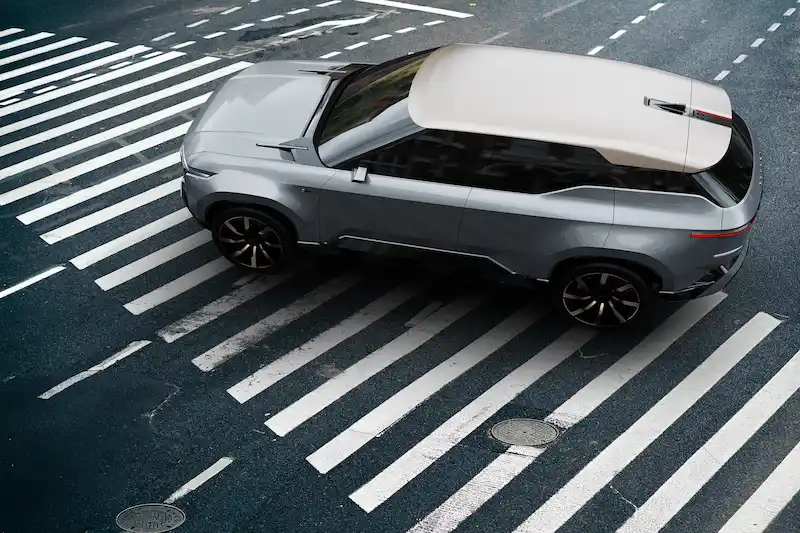
Toyota's luxury brand, Lexus, plans to showcase a series of battery-electric concept cars, reaffirming its central role in the company's electrification strategy. Additionally, Toyota will unveil its own EV concepts, including a sleek SUV called FT-3e and a sports car sharing major components known as FT-Se.
Nissan, on the other hand, has released renderings of four EV concepts, each featuring bold and unconventional designs. These include the Hyper Urban crossover, Hyper Adventure off-roader, Hyper Tourer minivan, and Hyper Punk compact.
Honda and Subaru will also introduce electric sports car concepts, while Suzuki will premiere a mini electric wagon. Although most Japanese automakers have committed to boosting EV production and reducing emissions across their lineup, they have yet to produce high-volume models that can compete with brands like BYD or Tesla.
While the Japanese carmakers' transition to electric mobility may take time, the Japan Mobility Show provides an opportunity for them to showcase their ambitious plans and demonstrate their determination to play a pivotal role in the future of sustainable transportation.