


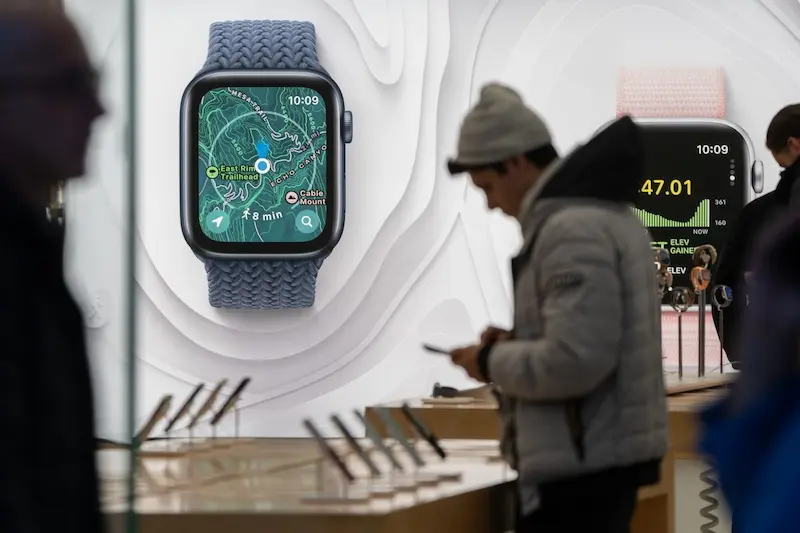


Apple Inc. is actively seeking alternative solutions to overcome a recent patent-infringement loss that resulted in the temporary ban of its most popular Apple Watch models. The ban was imposed after the US International Trade Commission (ITC) ruled that the smartwatches infringed on patents held by medical-device maker Masimo Corp. However, Apple has managed to secure a temporary stay from a federal appeals court, allowing the Apple Watch Series 9 and Ultra 2 to return to stores for the time being.
In its efforts to recover from this setback, Apple is pursuing a multi-pronged approach. One aspect involves the development of a software workaround, which has recently been submitted to a US customs agency. If approved, this solution could enable Apple to sell non-infringing versions of the affected smartwatches as early as January 12, while the company continues to appeal the ITC's decision.
Legal experts suggest that Apple is utilizing every available option to combat the ban. The company is working diligently to obtain a stay from the ITC, temporarily halting the enforcement of the ban until the overall appeal process is completed. Additionally, oral arguments in front of the exclusion order enforcement branch of US Customs and Border Protection are scheduled for the near future.
However, the pursuit of a software workaround differs from Apple's legal efforts to reverse the ITC's decision. The ITC has indicated that a favorable decision from the customs agency would only bolster its original ruling against Apple. The timeline for a patent-related appeal at the Federal Circuit court can typically range from one year to a year and a half. Requesting a stay of the ITC's orders for the duration of the appeal may prove to be a time-consuming process, potentially surpassing Apple's typical timeframe for developing and releasing new devices.
Legal experts find Apple's approach unique in this situation, questioning why the company has not considered settling with Masimo to resolve the dispute. It remains unclear why Apple has chosen to take this particular strategy instead of pursuing a settlement. Some speculate that Apple may be taking a firm stance to demonstrate to patent owners that it will not settle, even in the face of an injunction.
In addition to the ongoing legal battles, Apple has also filed infringement cases in Delaware district court, accusing Masimo of patent infringement for its W1 watch. With the ban in effect since December 26, Apple appealed to the Federal Circuit to intervene. The recent temporary stay granted by the appeals court will likely last approximately three weeks, coinciding with the customs agency's expected ruling on the redesigned Apple Watch models.
Apple's parallel efforts in pursuing legal and software solutions are aimed at keeping all options open. It is speculated that the development of a software workaround could potentially be achieved through updates or downloads, allowing Apple to reactivate certain technologies if their appeal is successful.
Ultimately, the resolution of this patent dispute remains uncertain. Apple's approach highlights the complexities involved in balancing legal recourse and ongoing business operations. While the company continues its fight to reverse the ban, the immediate focus is on securing the necessary approvals and rulings to resume sales of its affected smartwatches.