


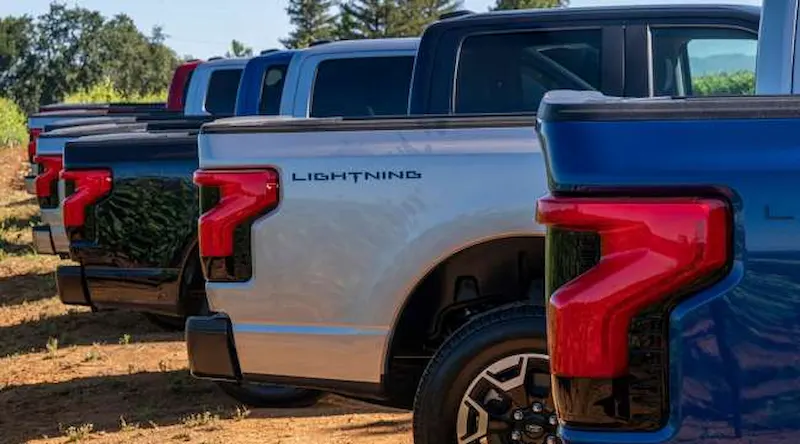


Ford Motor Co. is set to reduce its workforce as the demand for electric vehicles, particularly its F-150 Lightning truck, continues to weaken. The automaker announced that about 1,400 employees at the Rouge Electric Vehicle Center will be impacted as the facility transitions to one shift starting April 1. This move reflects the company's response to lower anticipated growth in global EV sales for 2024, as reported by Bloomberg last month.
Despite the setback in EV demand, Ford is witnessing strong demand for its traditional gasoline-powered vehicles. As a result, the company is planning to hire nearly 900 new employees and add another 700 employees from its Rouge Complex to introduce a third shift at its Michigan Assembly plant. This strategic move will boost production for popular models such as the Bronco, Bronco Raptor, Ranger, and Ranger Raptor, which have been highly sought after by customers.
Due to American car buyers' hesitation towards EVs, citing high prices and inadequate charging infrastructure, Ford has been compelled to repeatedly cut production of its flagship EVs, the F-150 Lightning and Mustang Mach-E. To align with the current market conditions, Ford has also downsized a battery plant project in Michigan and postponed the construction of a battery plant in Kentucky. These shifts are part of the automaker's decision to delay $12 billion in planned investments in electric vehicles.
The slowdown in EV adoption has been a concern for Ford. David Lefkowitz, head of consumer equities for UBS Global Wealth Management, emphasized this, stating that penetrating the market may require more effort at this stage. UBS has revised its forecast for US EV market growth, anticipating a mere 11% increase in sales this year, compared to 47% growth in 2021 and 60% growth in 2022.
These recent developments led UBS analyst Joseph Spak to downgrade Ford's rating from "buy" to "hold." Despite recognizing CEO Jim Farley's vision and direction for Ford's future, Spak believes it will take several years for the benefits of the company's EV strategy to materialize. Ford, however, remains optimistic about the future of EVs for specific customer segments, demonstrating its commitment to balancing production to meet customer demand.
While the current challenges surrounding EV adoption may present obstacles, Ford continues to adapt its production plans to cater to customer preferences. By leveraging the strong demand for its gasoline-powered vehicles, the company aims to maintain its market position and navigate the evolving automotive landscape effectively.