




In a surprising turn of events, Ford Motor Co. has seen a remarkable 7% increase in its US auto sales for the first quarter of the year, driven by a surge in demand for gas-electric hybrids. The company delivered 504,815 light vehicles to American buyers during this period, with hybrid models experiencing a whopping 42% increase in sales. This impressive growth comes despite the challenges faced during the launch of the redesigned F-150 pickup truck.
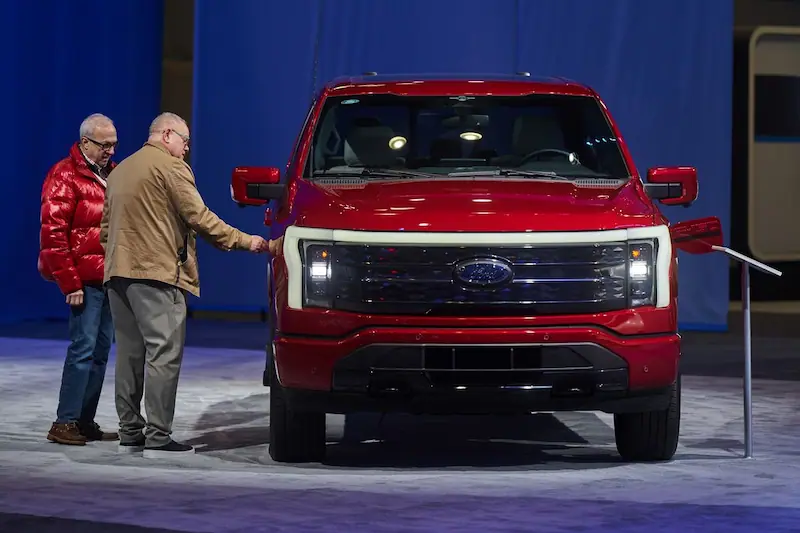
The delay in delivery of over 60,000 F-Series trucks for additional quality checks had a notable impact, resulting in a 10% decline in sales of the best-selling model. The highly anticipated electric F-150 Lightning has also hit a roadblock, with shipments on hold due to undisclosed quality concerns since February 9th. CEO Jim Farley has been vocal about Ford's commitment to improving quality standards, aiming to match the segment-leading quality of the Toyota Tundra pickup with the redesigned F-150.
With a renewed focus on quality following a series of recalls that led to increased warranty costs, Ford is aiming to elevate its initial quality rankings from the middle of the pack to the top tier. The company is making significant strides in this regard, doubling the production of the hybrid F-150 and expecting it to contribute to one-fifth of the truck's total sales.
Ford's electric vehicle sales have also seen a substantial increase, with an 86% rise compared to the previous year. Despite setbacks such as a battery fire interrupting F-150 Lightning production and the idling of the electric Mustang plant in Mexico for expansion, sales of the battery-electric vehicles have shown promising growth. The F-150 Lightning saw an 80% increase in sales, while the Mustang Mach-E experienced a 77% rise after a substantial price reduction in February.
In response to consumer hesitancy over the high prices and limited charging infrastructure for plug-in models, Ford is adapting its strategy by scaling back its EV spending by $12 billion. This shift comes at a time when the Biden administration has implemented stricter rules on stimulus measures for EV manufacturers, complicating the market dynamics. Despite these challenges, Ford remains optimistic about the future of its hybrid and electric vehicles, positioning itself for success in the evolving automotive landscape.