




A recent study published in The Lancet Global Health reveals concerning trends in global nutrition, indicating that over half of the world's population is not consuming adequate levels of essential nutrients crucial for overall health. The research, led by Dr. Christopher Free from the University of California, Santa Barbara, identified widespread deficiencies in six key nutrients: iodine, vitamin E, calcium, iron, riboflavin, folate, and vitamin C.
Unlike previous studies that focused on micronutrient deficiencies or food availability, this study took a novel approach by estimating inadequate intakes of 15 essential nutrients across 185 countries. By utilizing a globally harmonized set of nutrient requirements and data from the 2018 Global Dietary Database, researchers highlighted the prevalence of insufficient nutrient consumption on a global scale.
Gender disparities were also noted, with women more likely to fall short on iodine, vitamin B12, iron, and selenium, while men lacked magnesium, zinc, thiamin, niacin, and vitamins A, B6, and C. Geographic patterns further revealed variations in nutrient inadequacies, such as high rates of riboflavin, folate, and B vitamin deficiencies in India and widespread calcium insufficiency in parts of Asia, Africa, and the Pacific region.
Despite some limitations, including the exclusion of supplement and fortified food intake, the study underscores the urgency of addressing nutrient deficiencies worldwide. Dr. Lauren Sastre from East Carolina University noted the importance of potassium intake and highlighted the need for balanced nutrition to combat prevalent health issues.
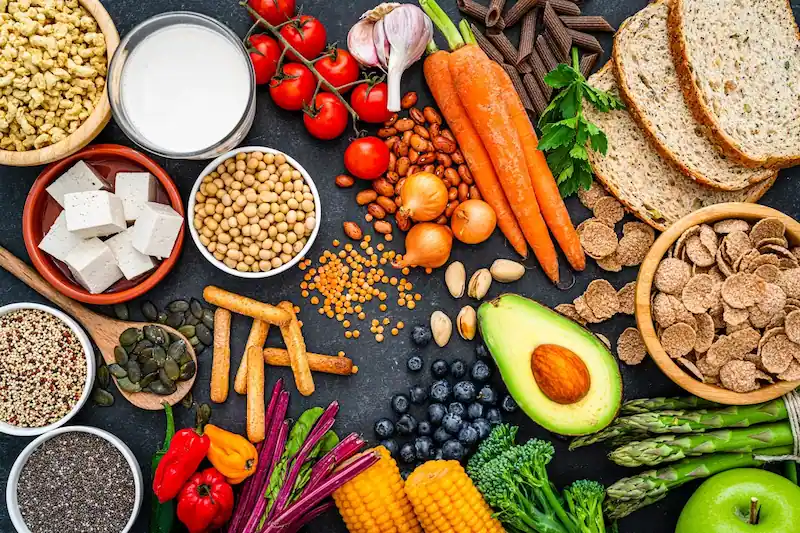
To bridge the nutrition gap, dietitians and physicians play a crucial role in assessing individuals' nutrient needs and guiding them towards a more nourishing diet. Emphasizing the consumption of fruits, vegetables, whole grains, and nutrient-rich sources like dairy, seafood, and fortified foods can help optimize nutrient intake and support overall health.
In conclusion, the study serves as a wake-up call, shedding light on the global nutrition crisis and urging action to ensure that everyone has access to a diverse and nutrient-rich diet. By prioritizing micronutrient adequacy, we can enhance health outcomes and unlock human potential on a global scale.