


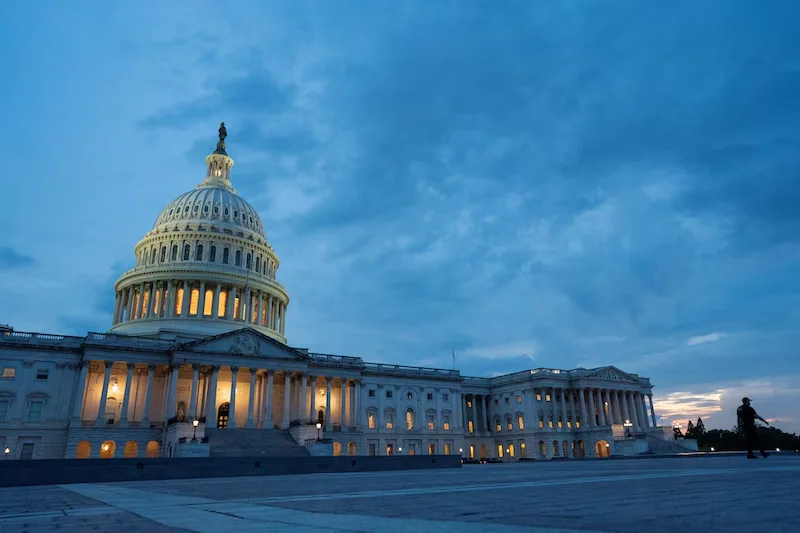


Late Tuesday night, the U.S. Senate barely managed to push through President Trump’s new tax and spending plan—by the thinnest margin possible. The vote came in at 51–50, with Vice President JD Vance stepping in to break the tie. It was a tense and messy finish after hours of back-and-forth behind closed doors.
The bill is massive—both in size and in what it sets out to do. It would make Trump’s 2017 tax cuts permanent, offer new breaks for tips and overtime, boost military spending, and tighten immigration enforcement. At the same time, it cuts deep into programs like Medicaid and food assistance for low-income families. It’s a combination that’s left even some Republicans uneasy.
And now the bill heads back to the House of Representatives. That’s where things could really get complicated.
Trump wants this signed into law by July 4. House Speaker Mike Johnson says he’s aiming to make that happen. But several House Republicans are already saying they’re not happy with the Senate’s changes—especially the extra $800 billion added to the debt and deeper cuts to social programs.
“It’s a good bill,” Trump said at a rally in Florida. “There’s something in there for everyone.” But in private, GOP lawmakers are torn. The more conservative wing—particularly members of the House Freedom Caucus—say it’s too expensive and not nearly aggressive enough on spending cuts. “This isn’t what we agreed to,” the group said bluntly.
On the other side, more moderate Republicans are nervous about how the cuts to Medicaid and food aid will affect their districts, especially in rural or low-income areas. And there’s still a group of Republicans from high-tax states like California and New York demanding more relief for state and local taxes.
In the Senate, it took a lot of wheeling and dealing to get the bill over the finish line. Senator Lisa Murkowski from Alaska, for example, only voted yes after getting extra food aid for her state and a $50 billion lifeline for rural hospitals. Three Republican senators—Thom Tillis, Susan Collins, and Rand Paul—voted no, along with every Democrat. Tillis, under fire from Trump, announced he won’t seek reelection next year.
The bill would also raise the federal debt ceiling by $5 billion, a move that’s going to set up yet another showdown later this year. Meanwhile, analysts are warning that the bill could have serious long-term effects—like slower growth, higher borrowing costs, and shrinking government programs for younger Americans. Essentially, more debt now could mean fewer options down the road.
Democrats didn’t hold back. Senate Leader Chuck Schumer called the bill “a disgrace,” accusing Republicans of slashing support for struggling families just to hand out more tax breaks. “This bill rips healthcare away from millions and takes food out of the mouths of hungry children,” he said.
Still, Trump seems confident he can push this over the line. He’s already applying pressure on House Republicans, especially those who might be tempted to vote no. He’s not above calling them out publicly, and many in the party are hesitant to cross him.
With July 4 just days away, the pressure is on. One chamber down. One to go. And a whole lot of political drama still ahead.