


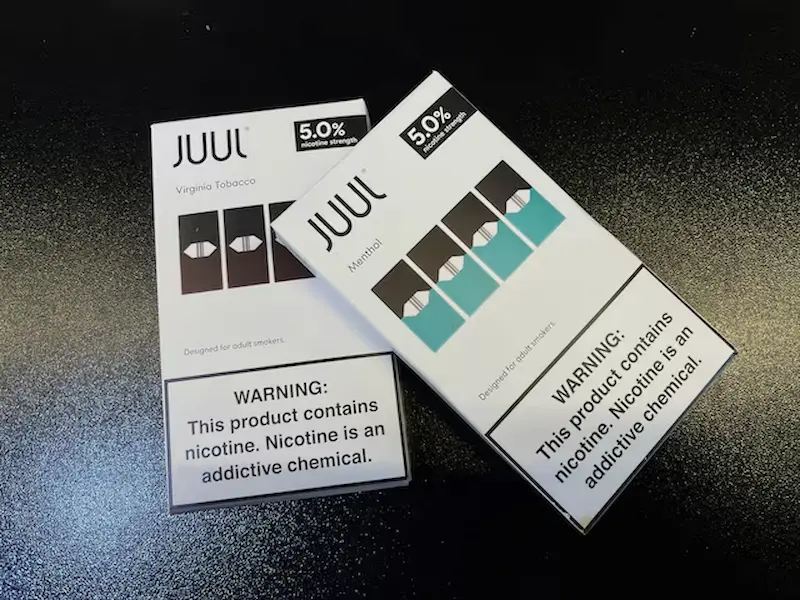


After years of setbacks, court battles, and the looming shadow of bankruptcy, Juul Labs just got a much-needed breath of fresh air. The U.S. Food and Drug Administration has officially authorized the sale of several Juul products—including its signature vape device and tobacco- and menthol-flavored pods—offering the embattled company a way back into a market it once dominated.
Juul isn’t what it used to be. Back in the late 2010s, the company seemed unstoppable. Sleek design, addictive pods, flashy marketing—everything clicked. But it didn’t take long before trouble came knocking. The flavors were wildly popular among teenagers, schools were sounding alarms, and the brand became a lightning rod in the national conversation on youth vaping. Lawsuits followed. Sales nosedived. Then in 2022, the FDA swung the hammer, banning Juul’s core products outright. The company teetered on the edge of collapse.
But Juul didn’t fold. It appealed the FDA's ban, and eventually, the tide began to turn. By 2024, the ban was rolled back. Now, with this new FDA authorization, the brand has a second chance—albeit a more cautious, tightly regulated one.
This week’s green light from the FDA covers five products: Juul's device, along with four pods (two flavors, each in two nicotine strengths—3% and 5%). According to the agency, Juul was able to present enough new evidence to show that these products have a net benefit to public health. That doesn't mean they’re safe or harmless—it means, in the FDA’s view, they're a better alternative than cigarettes, and the benefits outweigh the risks.
For Juul’s CEO K.C. Crosswaite, this is more than just regulatory paperwork. “It’s a significant milestone,” she said. Juul sees this as a signal: legal, regulated products have a future, even in a vape market that’s become chaotic and flooded with cheap, often illegal imports from abroad, particularly China.
But not everyone is celebrating. Critics argue that authorizing any vape product—even ones limited to menthol and tobacco—could lead to more youth exposure. And while Juul’s flavored pods (like mango and cucumber) are still off the table, concerns about nicotine addiction persist, especially among teens.
Meanwhile, Juul is thinking ahead. The company plans to file more FDA applications for future products. It’s not alone—many other players in the nicotine space have been stuck in limbo, waiting years for approval, or challenging rejections in court.
This whole process has highlighted a messy truth: the FDA, tasked with regulating a fast-moving and wildly profitable industry, has been struggling to keep pace. The agency has said it simply doesn’t have the manpower or budget to tackle the huge volume of applications and fight off illegal imports at the same time.
In the background, there’s hope among some vape companies that the next U.S. administration could loosen some of the red tape, making it easier to launch new smoke-free products. Whether that will happen remains to be seen.