


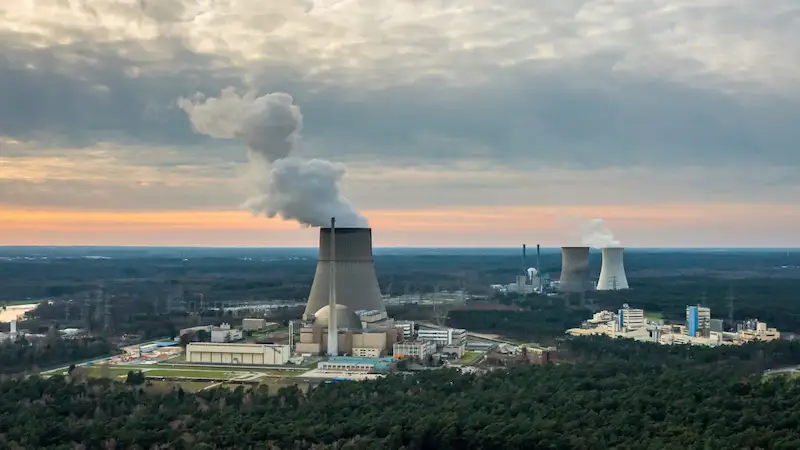


After more than six decades of nuclear power, Germany's final three nuclear power plants have been shut down, marking the end of an era. Nuclear power has always been a contentious issue in Germany. While some view it as a reliable, low-carbon source of energy, others see it as unsustainable and dangerous, and believe it diverts attention from the need to speed up the adoption of renewable energy.
Germany pledged to phase out nuclear power and start closing down plants in 2000. However, in 2009, a newly elected government considered using nuclear power as a bridging technology to help the country transition to renewable energy. Then, in March 2011, the catastrophic earthquake and tsunami that led to the Fukushima Daiichi nuclear disaster in Japan caused the German government to accelerate its plans to phase out nuclear power.
The German government had originally planned to close the final three nuclear plants in December 2022. However, concerns over energy security due to Russia's invasion of Ukraine saw the government delay the closure. Some critics urged the government to reconsider, but it held firm, and the plants were closed on April 15, 2022.
For anti-nuclear activists, the closure of the plants represents a victory, while for critics of the government's policy, it is a short-sighted decision that will result in a reliance on fossil fuels. Research has shown that reductions in Germany's nuclear energy since the Fukushima disaster have primarily been offset by increased coal usage. Over 30% of Germany's energy comes from coal, which is the dirtiest of the fossil fuels.
Proponents of the nuclear shutdown argue that it will ultimately hasten the end of fossil fuels. Germany has pledged to close its last coal-fired power station no later than 2038 and aims for 80% of electricity to come from renewables by the end of the decade. Supporters of renewable energy in Germany have also said that the shutdown will open the door to more investment in clean energy.
The closure of Germany's nuclear plants also raises the question of how to deal with the high-level radioactive waste that the plants have generated. Currently, the waste is stored in interim storage facilities, but a permanent location must be found where it can be safely stored for hundreds of thousands of years. The search for a suitable site is likely to be a long and complex process that could last more than 100 years.
While Germany's nuclear shutdown marks the end of an era, other countries are still considering nuclear power as a means of creating secure, affordable, and clean energy. The UK is in the process of building a nuclear power plant, while France, which generates around 70% of its power from nuclear energy, plans to build six new reactors. Even Japan, which is still dealing with the aftermath of the Fukushima disaster, is considering restarting reactors. However, the high cost of building new plants and the challenge of making the economics add up means that many countries, even those that are proponents of nuclear power, may struggle to develop nuclear power in the future.