


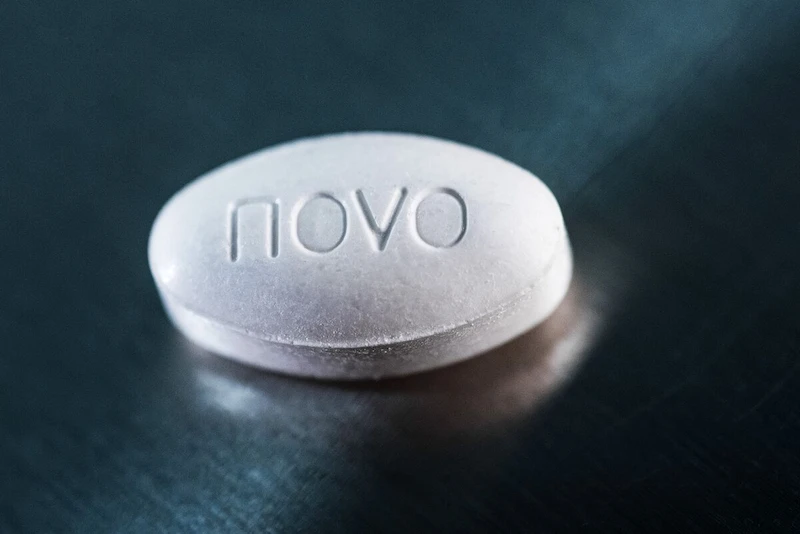


Pharmaceutical giants Novo Nordisk A/S and Eli Lilly & Co. are in the race to develop pill versions of their highly successful weight-loss drugs, with hopes of launching them as early as next year. However, potential users expecting a more convenient and side effect-free option may need to adjust their expectations. These oral medications still have significant drawbacks in terms of ease of use and side effects that may catch patients off guard. Additionally, if the cost of Novo's existing tablet is any indication, these new pills may come with hefty price tags, rivaling the expensive injections that have raised concerns among patients and insurers.
Weight-loss injections like Lilly's Zepbound and Novo's Wegovy have turned into a lucrative market, propelling these companies to soaring valuations and attracting other players, such as Pfizer Inc. and AstraZeneca Plc, to explore the field. The potential for the weight-loss market is estimated to reach $100 billion within the next seven years. The oral versions of these drugs are seen as a game-changer, appealing to those who aren't comfortable with injections or looking to alleviate the burden of self-administering injections.
Manufacturers generally find pills easier to produce, store, and transport compared to injections. However, this convenience hasn't translated into a cheaper alternative for Novo's Ozempic. Rybelsus, which is a pill form of the diabetes shot often used for weight loss, is already available, but it comes with a staggering price tag of $936 for a one-month supply. A high-dose version of Rybelsus specifically designed for weight loss is currently under consideration for European approval. In a recent trial, patients who took it daily on an empty stomach lost about 15% of their body weight in less than 16 months.
However, the pill still has limitations. Patients need to take it daily on an empty stomach and then wait an additional 30 minutes before eating. Moreover, clinical trials of the highest dose of the drug showed a higher incidence of gastrointestinal side effects compared to studies on Wegovy injections. The pill requires a significantly larger amount of the active ingredient, semaglutide, which is already facing supply shortages. Novo has had to delay its plans for US approval until next year, citing manufacturing dependencies.
Lilly's experimental pill, orforglipron, seems to have an advantage over its competitors as it has no dietary restrictions. According to Lilly's executive vice president, Patrik Jonsson, the once-daily tablet showed comparable weight loss results to the highest experimental dosage of Rybelsus, helping patients with diabetes and obesity lose approximately 15% of their body weight in just 36 weeks. While still years away from commercial availability, experts view these results as unprecedented for a pill, despite common side effects such as nausea and vomiting. Analysts suggest that this pill could potentially give Lilly an advantage over Novo in a market currently dominated by the Danish company.
Pfizer is also trying to tap into the obesity drug market, looking for a potential revenue boost to offset pandemic-related sales declines. After discontinuing one experimental drug due to safety concerns, Pfizer is currently focusing on an oral formulation that is undergoing mid-stage testing. In order to be competitive against Lilly's offering, Pfizer's pill will need to demonstrate weight-loss percentages in at least the mid-teens. The decision to split the daily dosage into two doses during clinical trials is likely driven by concerns about potential side effects. Pfizer is still gathering and reviewing data before moving forward, and there have been no reports of elevated liver enzymes indicating possible injury.
Beyond Novo and Lilly, other biotech companies such as Viking Therapeutics Inc. and Structure Therapeutics Inc. are also in the process of developing their own obesity pills. Structure Therapeutics' pill, currently in mid-stage human trials, has shown promising results that surpass Pfizer's offering, according to BMO Capital Markets analyst Evan David Seigerman.
Further down the line, AstraZeneca recently acquired the licensing rights for a pill developed by China's Eccogene. Astra's CEO, Pascal Soriot, expects that at least 75% of patients would prefer oral medication over injections. Soriot anticipates a cheaper product, setting it apart from the current crop of drugs.
Experts in the field believe that the current generation of weight-loss pills is just the beginning. With several more drugs expected to enter the market within the next five to ten years, the field of obesity treatment is far from reaching its grand finale.