


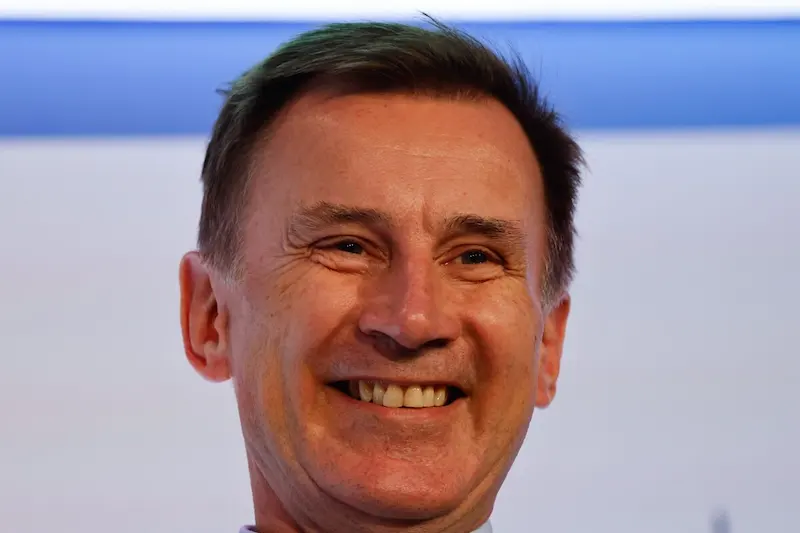


Chancellor of the Exchequer Jeremy Hunt has come under criticism for his package of tax cuts, as concerns grow about the impact on public services and the economy. The Conservative Party is being warned that the tax burden is heading for a postwar high, putting pressure on households ahead of the expected 2024 UK election. Hunt, however, defended his tax cuts and expressed his intention to cut taxes further in the future. He recently announced a two-percentage-point reduction in national insurance, a payroll tax.
In response to the criticism, Hunt acknowledged that the reduction in national insurance would not offset the additional tax burden faced by households due to fiscal drag and higher levies implemented since 2019. The Resolution Foundation think tank predicts that households will be £1,900 ($2,380) poorer on average over the current parliamentary term, leading to the first drop in living standards between two general elections on record.
Hunt argued that his tax cuts are a step towards reducing taxes for families who have experienced an increase in their tax burdens. He emphasized the importance of tax cuts that boost the economy, including making the "full expensing" policy permanent, which grants firms 100% tax relief on capital spending.
While the government focuses on tax cuts in preparation for an election, the Bank of England (BOE) has expressed concerns about inflationary risks. The BOE officials stated earlier this week that they are still worried about a potential resurgence in rising prices. Any perceived tension between the direction of UK fiscal and monetary policies may increase the focus on the BOE and whether interest rates will need to remain higher for longer.
Amid these concerns, British companies reported unexpected output growth in November, with the purchasing managers' index reaching 50.1, the highest reading in four months and above the threshold level of 50 that separates growth from contraction. The Office for Budget Responsibility, the UK's fiscal watchdog, expects inflation to persist longer than previously projected. Additionally, the measures outlined by Hunt are expected to boost demand more than the supply capacity of the economy, which could support the BOE's case for higher interest rates.
The potential for higher interest rates has led the OBR to downgrade Britain's growth forecasts for the coming years, creating a challenging backdrop for Prime Minister Rishi Sunak as attention shifts towards the upcoming election. Hunt's refusal to rule out an earlier-than-usual Budget in February and the expedited implementation of the national insurance cut in January have fueled speculation about a potential May election.
One key aspect of Hunt's tax-and-spend plan is its future impact on public spending. Despite significant underfunding and degradation of public services such as the courts and infrastructure, Hunt defended his decision to allocate £21 billion to tax cuts rather than directing funds towards future public service spending. He argued that prioritizing growth would generate future revenues to support public services.
However, critics have raised concerns about the sustainability of the government's tax cuts. Paul Johnson, director of the Institute for Fiscal Studies, labeled the spending cuts to public services and government investment as "questionable, if not plain implausible." He highlighted the government's aim to reduce the size of the state to 2019 levels, despite rising welfare and debt interest costs.
English departments like Justice, which face a 3.4% annual cut in spending until 2028, could experience a real-terms spending reduction of £20 billion. Johnson compared these cuts to the austerity measures implemented in the early 2010s under former Chancellor George Osborne, emphasizing that such cuts would be even more painful this time around.
Hunt's decision sets up a future government for a challenging situation regarding public spending. If polls predicting a landslide victory for the Labour party in the general election prove accurate, it would likely be a Labour administration grappling with these fiscal challenges. Nonetheless, Hunt's intervention aims to inject life into the Conservative party's tax-cutting narrative and create a distinction from Labour's policies.
Ultimately, the decline in living standards is a reality that even Hunt acknowledged the Tories cannot reverse before an election. Torsten Bell, CEO of the Resolution Foundation, described it as a disaster for households experiencing a 20-year stagnation in wages. The clash between tax-cutting rhetoric and the reality of rising taxes, combined with a hit to public investment, can have detrimental effects on both growth and the well-being of households.