


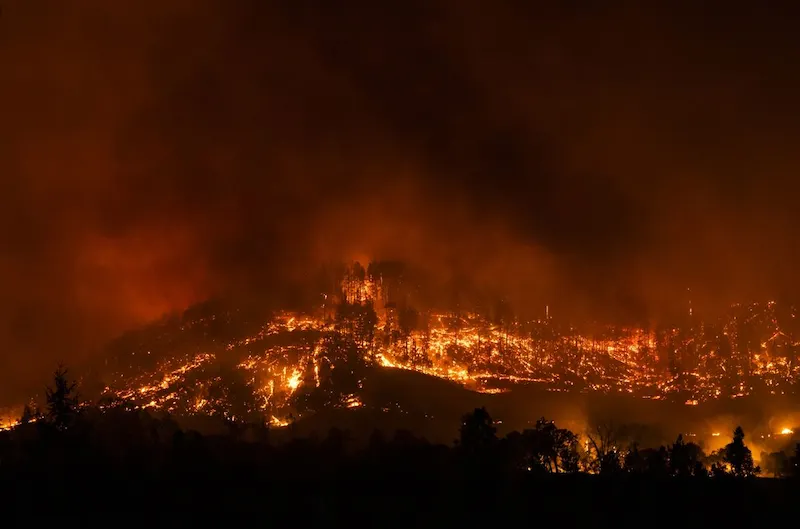


A groundbreaking study conducted by scientists at Stanford University has revealed a concerning phenomenon occurring during California's climate-driven wildfires. The extreme heat generated by these fires is causing a transformation in the soil, converting a common metal into a dangerous airborne carcinogen. The study, published in the journal Nature Communications, found widespread and hazardous levels of toxic chromium in areas of Northern California severely impacted by wildfires in 2019 and 2020.
Chromium is a metal that is relatively prevalent in soils derived from chromium-laden rocks found across the globe. Typically, it exists in a benign form known as chromium 3. However, as wildfires become more frequent and intense due to drought and heat waves, chromium 3 is being converted into an increasingly dangerous form – hexavalent chromium, or chromium 6. This toxic hexavalent chromium is the same compound that gained notoriety as the water contaminant in the famous environmental case of Erin Brockovich.
The Australian researchers first reported in 2019 that high temperatures can convert chromium 3 into carcinogenic chromium 6. The devastating wildfires in Northern California provided an opportunity for the Stanford scientists to test whether this conversion would occur in the natural environment. Postdoctoral scholar Alandra Marie Lopez collected soil and ash samples from burn sites immediately after the fires were extinguished. Eleven months later, she returned for additional sampling and discovered high concentrations of toxic chromium 6 in small airborne particles.
Lopez observed that the hexavalent chromium persisted in the surface layers of the soil, indicating that the presence of hexavalent chromium can persist for extended periods even after the fires are extinguished. This poses a significant health risk to individuals exposed to fine soil particles or ash. Although the study did not measure chromium 6 in the air, the high levels found in surface soil suggest that airborne chromium 6 could pose a threat to communities affected by wildfires.
This discovery raises concerns for firefighters, who face immediate risks due to their close proximity to wildfires, as well as for people living downwind of the fires. Disturbances to the soil during drought periods, when chromium 6 remains in the ground, could also pose a risk to workers involved in land rehabilitation and individuals engaging in outdoor activities in recovering wildfire sites.
Furthermore, the study highlights the potential for hexavalent chromium to contaminate surface water in burned areas following a wet season. While rain can help wash away contaminated soil, it introduces the risk of chromium 6 entering water bodies, presenting a new set of challenges.
This research emphasizes the need for further investigation into the presence of chromium 6 in wildfire smoke, which is already known to be a health hazard. It also highlights the importance of protective measures during wildfires, such as wearing masks, staying indoors, and using air purifiers. Additionally, the study underscores the significance of controlled burns as a strategy to reduce fuel load in forests, ultimately mitigating the intensity of wildfires and minimizing the release of chromium 6 into the soil.
The findings of this study serve as a wake-up call, not only for California but also for regions worldwide that possess metal-rich geologies prone to wildfires. With the increasing severity and frequency of wildfires due to climate change, understanding and addressing the risks associated with toxic metals released during these disasters is crucial for the well-being of both firefighters and communities affected by wildfires.