


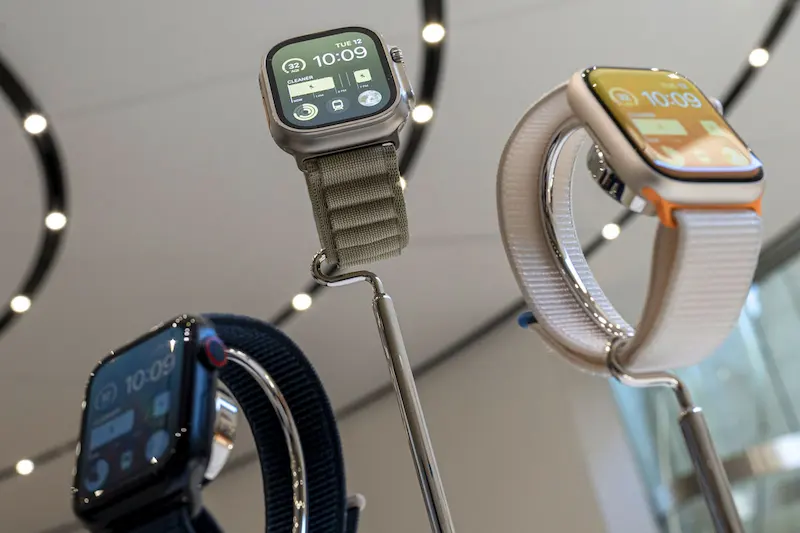


Apple Inc. is facing a race against time to find a solution to a ban on its smartwatches in the US. The ban, which is scheduled to take effect on December 25, is a result of a legal dispute with medical device company Masimo Corp. over patent infringement regarding the blood oxygen level measurement feature on Apple Watches. To overcome the ban, Apple engineers are working on modifying algorithms and adjusting how the technology determines oxygen saturation and presents data to users. This high-stakes engineering effort is unprecedented for Apple, as it could severely impact one of their most profitable businesses in their home country, especially during the holiday season.
While a settlement with Masimo is one option to resolve the dispute, Apple has not engaged in such discussions with the company. Instead, their current focus is on modifying the technology to win favor with regulators. However, the patents in question mostly relate to hardware, including how light is emitted into the skin to measure oxygen levels. Masimo has argued that a software fix alone will not be sufficient, and the hardware needs to be changed.
The ban, imposed by the International Trade Commission (ITC), would prohibit Apple from selling the affected smartwatch models in the US. Apple relies on overseas suppliers for components and assembly, making it difficult for them to continue selling the watches without violating the ban. Typically, disputes of this nature are settled before reaching this point, often as leverage in negotiations. However, the broad nature of Masimo's patents poses a challenge for Apple, even with software tweaks.
Apart from considering software adjustments, Apple is also exploring potential hardware fixes. However, the process of bringing new technology to the market is time-consuming. Apple's internal software testing procedures are rigorous, requiring thorough checks to ensure that any changes do not disrupt other smartwatch features. Additionally, given the medical nature of the adjustments, further testing may be necessary. If hardware modifications are required, it could take a minimum of three months to produce and ship new models, not accounting for the time taken for customs approval.
The blood-oxygen level monitoring feature was introduced to the Apple Watch in 2020, and it quickly became a critical tool during the COVID-19 pandemic. With health and safety features becoming a key selling point for Apple's smartwatches, the ban could pose a significant challenge to the company. However, the ban only applies to Apple's direct sales channels; third-party retailers like Walmart, Best Buy, and Target can continue offering the watches.
The impact of the ban on Apple's revenues is expected to be significant. Analysts estimate that the Apple Watch generated $16.9 billion in revenue for the company in fiscal year 2023, up from $9.1 billion five years ago. Despite being a fraction of the iPhone's immense revenue, the Apple Watch plays a crucial role in retaining customers within the Apple ecosystem.
Whether the White House will intervene and grant Apple a reprieve remains uncertain. The decision currently lies with US Trade Representative Katherine Tai, who is carefully considering all factors involved in the dispute. Although the White House has the power to veto ITC decisions, its decision would weigh one US company against another, as Masimo is also based in the US.
In a statement, Masimo emphasized the thorough legal process leading to the ITC decision and called for its respect. For Apple, the stakes are high as they strive to find a solution and potentially a means to avoid the ban or minimize its impact on their smartwatch business.