


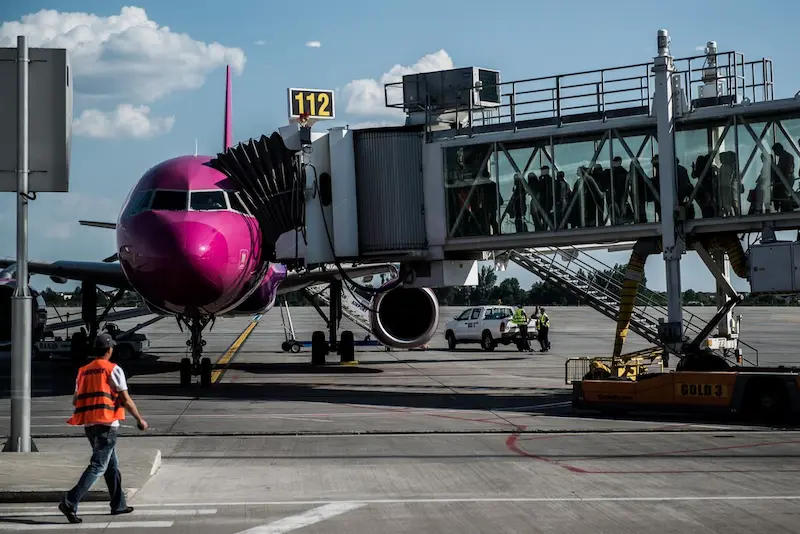


In a significant development, Bulgaria and Romania have taken a step closer towards joining the passport-free movement in the European Union. The EU bloc approved a deal on Saturday allowing the two Balkan countries to apply the rules of the Schengen system for entry into ports and airports from the end of March. This progress comes after Austria, the final holdout to the expansion of the border-free area, lifted its veto partially.
Since their accession to the EU in 2007, Bulgaria and Romania have faced opposition from certain member states over concerns about corruption, organized crime, and border security. Both countries have steadily improved their efforts in these areas, though they have historically ranked among the worst in the EU regarding corruption. Despite these improvements, some member states remained reluctant to grant them full access to the Schengen Area.
While Bulgaria and Romania have expressed optimism about the easing of travel restrictions at ports and airports, their hopes for similar measures at land borders have yet to be realized. Austria, in particular, has been hesitant to grant this approval, citing concerns over the potential influx of migrants. Vienna has insisted on additional funding from the EU to strengthen land borders and has requested that Sofia and Bucharest accommodate migrants from Syria and Afghanistan.
The lifting of land controls would be particularly advantageous for Bulgaria and Romania in terms of commercial traffic flows. Currently, trucks travelling from Greece and Turkey often experience significant delays while waiting to cross the Danube river. Opening the land borders would alleviate this issue and facilitate smoother trade between countries.
Bulgaria's Finance Minister, Assen Vassilev, emphasized the importance of opening land borders for the country's economy. While the current approvals for maritime and air travel are positive steps, the full economic impact will only be felt once land borders are opened. Vassilev stressed Bulgaria's strong determination to pursue this goal, highlighting the potential benefits it could bring.
The progression towards joining the passport-free movement in the EU is a significant milestone for both Bulgaria and Romania. As these countries continue their efforts to combat corruption and organized crime, the easing of travel restrictions demonstrates the EU's recognition of their progress. However, further negotiations and considerations are still required before the complete implementation of Schengen rules.