


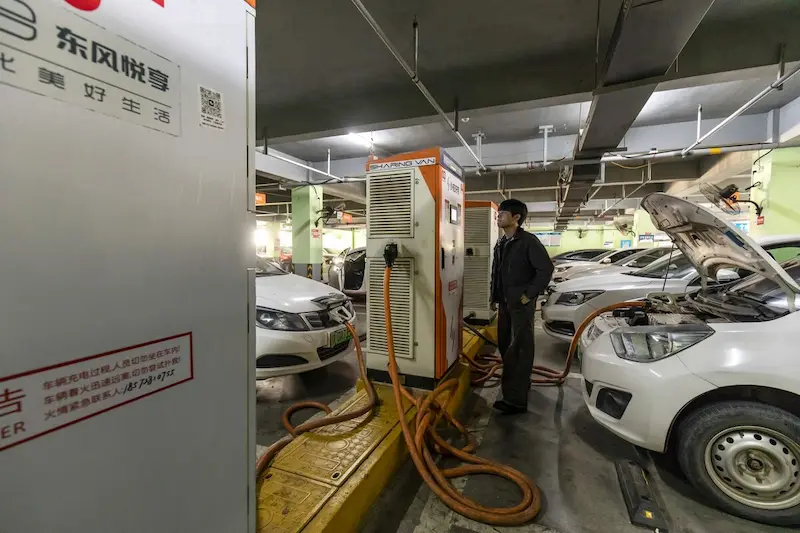


In a recent ministerial briefing, Xin Guobin, a vice minister at China's Ministry of Industry and Information Technology, expressed concern over the excessive number of new energy vehicle (NEV) investment projects being launched by local authorities. Xin emphasized the need to focus on boosting domestic demand for NEVs amidst rising cross-border protectionism, citing insufficient consumer demand and the misuse of trade-remedy measures by certain countries and regions.
China has experienced significant success in the electric vehicle industry in recent years, with both domestic sales and exports skyrocketing. However, this rapid growth has raised concerns about the profitability of Chinese companies, as well as trade tensions with Europe.
Xin Guobin cautioned against the blind and duplicative launch of new energy vehicle projects by some regions and companies. He urged for careful attention and effective measures to address this issue. He also acknowledged the challenges faced by many NEV companies, especially those focused on the domestic market, as they struggle to achieve profitability amidst disorderly competition.
According to Xin, domestic sales of NEVs reached 9.5 million in 2023, reflecting a substantial 38% year-on-year increase. Exports of NEVs also saw impressive growth, rising by over 77% from the previous year to reach 1.2 million units. However, despite these positive figures, the profitability of new energy vehicle companies remains a concern.
Xin highlighted the need for measures such as car-tax purchase exemptions to stimulate NEV consumption. These initiatives would help drive demand and support the development of a sustainable market for electric vehicles. Additionally, they would provide a solution to the profitability challenges faced by Chinese NEV companies, ultimately promoting a healthy and competitive industry.
According to projections by the China Passenger Car Association, shipments of Chinese-made battery-electric and plug-in hybrid vehicles to dealers are expected to increase by 25% to 11 million units this year. This projection further emphasizes the potential of the NEV market in China and underscores the importance of addressing profitability concerns.
As China continues its push for sustainable transportation and aims to establish itself as a global leader in electric vehicles, it is imperative to strike a balance between stimulating domestic demand and ensuring the long-term profitability and success of NEV companies. By implementing effective measures and addressing challenges such as disorderly competition, China can sustain its growth trajectory and navigate the complexities of the global market.