


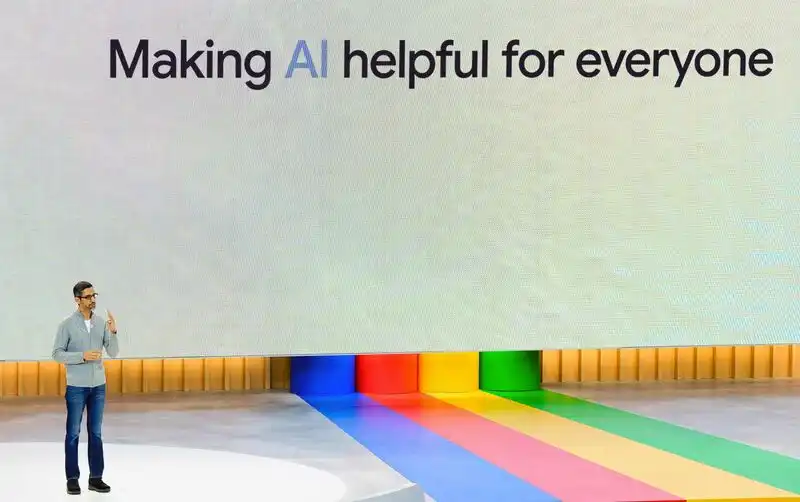


Google has announced plans to introduce a new version of its search engine that will incorporate the use of large language models. Known as "Search Labs," the new experimental space will allow users who have signed up for a waitlist to access the feature, which will use AI tools trained on enormous volumes of text to answer queries conversationally. The approach is a more risk-averse stance than the one taken by Microsoft, which has already infused its search engine, Bing, with technology from the startup OpenAI, and made the tools widely available to the public. This cautious approach insulates Google from some of the ethical concerns surrounding generative AI while also giving the company more time to assess the impact on its search advertising business, which is the main revenue driver for parent company Alphabet Inc.
According to Prabhakar Raghavan, a senior vice president at Google, the company is trying to be thoughtful about how to set expectations with users about the capabilities of generative AI. The defining question for Raghavan is how to delineate what these things can and cannot do in a way that is understandable to users, to businesses, or to the ecosystem at large. The new Search Labs feature is aimed at helping users accomplish tasks that are "clunky" in the current version of the search engine, requiring multiple queries. Google is focusing on using generative AI to help consumers in the meantime.
However, there are limits to how far Google will go with generative AI. For highly sensitive queries, such as suicide, Google's generative AI tools will not engage, instead displaying information about suicide prevention. Searches on other topics, such as health and finance, will come with a disclaimer that the responses should not be used as advice. Despite these precautions, some experts on tech ethics have expressed concern that it's not enough for companies to start by rolling out nascent technologies to smaller groups of users - they must take other steps to mitigate harmful effects to people, especially those in underrepresented and minority groups, which can be particularly vulnerable when new technology emerges.
Google's presentation suggested that there are still many ways the company can use generative AI to help consumers. The company is currently fine-tuning its approach, especially in the fast-moving field of generative AI. As the technology moves forward, Google will be vigilant to ensure that the benefits to users from generative AI outweigh the harms. For now, studies and user tests are showing that they're gaining value from this, and that, to Google, is a North Star.