


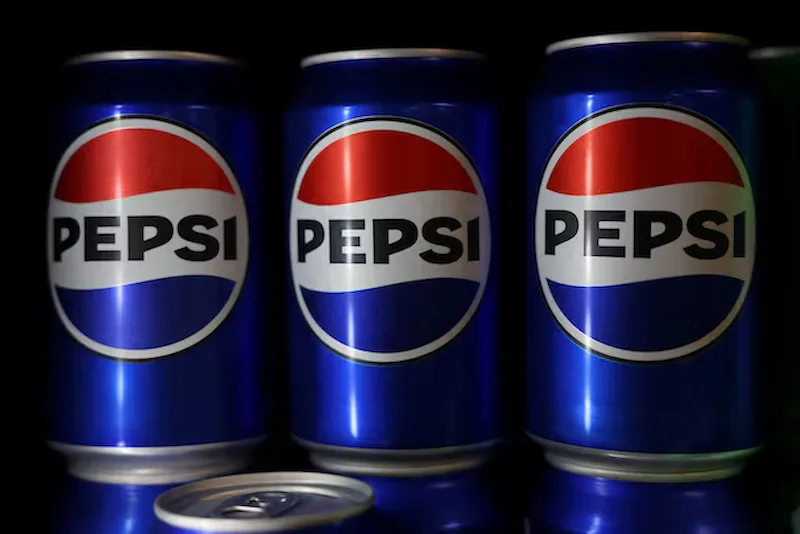


PepsiCo has never been shy about expanding its empire, and its latest move shows just how serious the company is about keeping a grip on the fast-growing energy drink market. The food-and-beverage giant has just poured another $585 million into Celsius Holdings, a Florida-based brand that has quickly gone from a niche player to one of the hottest names in the category.
For PepsiCo, this isn’t just a casual investment. The company already put $550 million into Celsius back in 2022, securing about an 8.5% stake. With this new injection, Pepsi now holds roughly 11% of Celsius once all is converted. On top of that, PepsiCo will get a seat at the table—literally—by nominating a director to Celsius’ board.
What’s interesting is that PepsiCo isn’t just buying shares; it’s also ceding operational influence. Celsius will now take the lead role in managing Pepsi’s U.S. energy drink portfolio, which includes Celsius itself, Alani Nu (a brand Celsius picked up earlier this year for $1.8 billion), and Pepsi’s own Rockstar Energy. That’s a major handover of power. Celsius essentially becomes the “captain” of Pepsi’s energy strategy in the U.S., overseeing product placement, retail strategies, promotions, and lineup decisions. For a company that was relatively unknown just a few years ago, this is an extraordinary leap.
Why the big bet? The answer is simple: consumers are shifting, and the traditional soda business can’t keep up with those changes forever. Younger buyers in particular are looking for beverages that don’t drown them in sugar but still offer a kick of caffeine and some added vitamins. Energy drinks that market themselves as “better-for-you” alternatives—low-calorie, infused with functional ingredients—are hitting the sweet spot. And Celsius has branded itself perfectly for that lifestyle-focused demographic.
Numbers tell the story too. The U.S. energy drink market was worth about $25 billion in 2024 and is expected to expand more than 7% annually through 2030. That’s growth soda makers can’t ignore, especially when traditional carbonated soft drink sales are flat at best. PepsiCo knows it needs to follow consumer demand, and this deal gives it a stronger hand against longtime category leaders like Red Bull and Monster. Rival Coca-Cola has a 19% stake in Monster, so Pepsi’s move feels like both defense and offense at once.
Shares of Celsius have reflected the buzz. The stock has more than doubled in 2024, and it spiked again—about 4%—when the new Pepsi deal was announced. Investors clearly see this as validation that Celsius is not just another trendy drink brand destined to fade out but a long-term player.
It also fits into a broader trend: the big beverage makers are chasing wellness and lifestyle niches. Pepsi just announced in March that it would buy Poppi, a prebiotic soda brand, for nearly $2 billion. Keurig Dr Pepper grabbed a 60% stake in Ghost Energy for nearly a billion dollars last year. Everyone seems to be scrambling for a piece of the health-forward drinks pie.
For Celsius, aligning with PepsiCo is more than just capital—it’s about distribution muscle, retail clout, and marketing heft. For Pepsi, giving Celsius the wheel might look risky, but it signals confidence that this younger, faster-moving brand knows how to win in today’s market.
The energy drink business has always been cutthroat, dominated for years by just two giants, but with partnerships like this, the landscape could change quickly. PepsiCo and Celsius together now control about 20% of the category in the U.S. That’s still short of Monster and Red Bull, but it’s enough to make both rivals glance over their shoulders.
In an industry where consumer tastes shift quickly and loyalty can be fleeting, PepsiCo’s strategy seems clear: don’t just try to sell what people used to want. Invest in what they’re chasing today—and what they’ll probably be drinking tomorrow.