


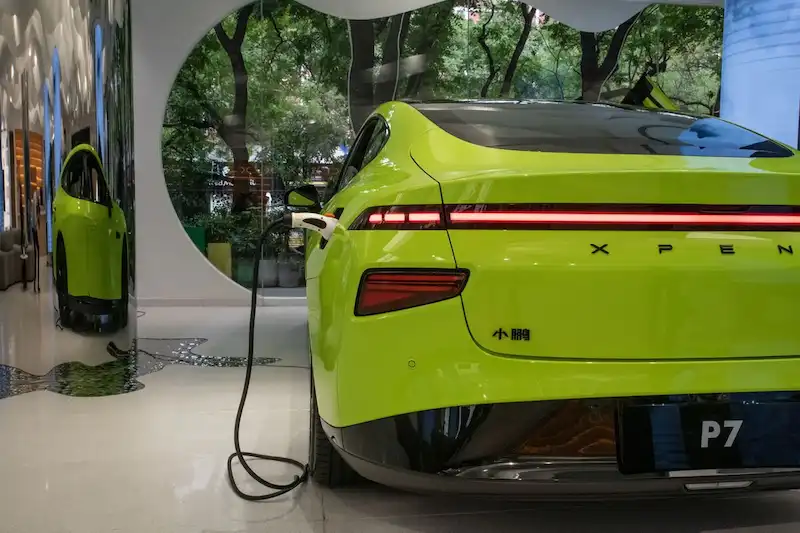


Volkswagen AG is set to invest $700 million in Xpeng Inc. and collaborate on the development of electric vehicles in China. This move comes as VW aims to combat a decline in sales in its most crucial market. As part of the agreement, VW will eventually hold a 4.99% stake in the Chinese company through a capital increase and will also secure an observer board seat.
In addition to its partnership with Xpeng, VW's premium brand, Audi, will strengthen its ties with its long-term partner, SAIC Motor Corp Ltd., to further enhance its electric vehicle lineup. With Tesla and local automaker BYD leading the EV market in China, VW aims to regain its position by leveraging Xpeng's expertise in developing EVs with technology and software tailored to local preferences. Despite a 20% growth in the Chinese EV market in the first half of this year, VW's EV sales dipped during the same period.
This collaboration marks a turning point for Chinese automakers as they transition from learning from their foreign partners to contributing their own technology and designs. The investment in Xpeng will make VW the fourth carmaker in China with which it has established a partnership.
Xpeng, a Chinese EV manufacturer founded in 2014, has been benefiting from the Chinese government's efforts to promote EV purchases. Its recent success can be attributed to the competitive pricing of its new G6 electric SUV. Following the announcement of the partnership between VW and Xpeng, Xpeng's American Depositary Receipts saw a significant rise, while its Chinese counterparts, Nio Inc. and Li Auto Inc., also experienced gains. On the other hand, VW's shares declined up to 2.9% in Frankfurt.
As part of their joint venture, VW and Xpeng plan to introduce at least two new battery-powered models, with the first one expected to hit the market in 2026. Meanwhile, Audi's partnership with SAIC will focus on premium EVs, initially targeting segments where the brand is not currently represented in China.
VW emphasized that the upcoming vehicles resulting from these collaborations will incorporate advanced software and hardware. CEO Oliver Blume has been actively involved in VW's turnaround efforts in China, prioritizing driving assist functions, infotainment, and tailoring products to the Chinese market. To strengthen its "in China, for China" strategy, VW has been leveraging partnerships with local companies, including Horizon Robotics Technology R&D Co. for autonomous driving technology, ThunderSoft for in-car software, and Gotion High-Tech Co. for battery development.
VW's recent CEO change at its Audi brand underscores its determination to address the sales decline in China. The brand has been facing hurdles in developing a new EV platform, which has hindered its ability to compete effectively. Nonetheless, with the new partnership with Xpeng and the strengthened collaboration with SAIC, VW aims to regain its footing in the Chinese market and position itself as a respected player in the rapidly growing electric vehicle sector.