


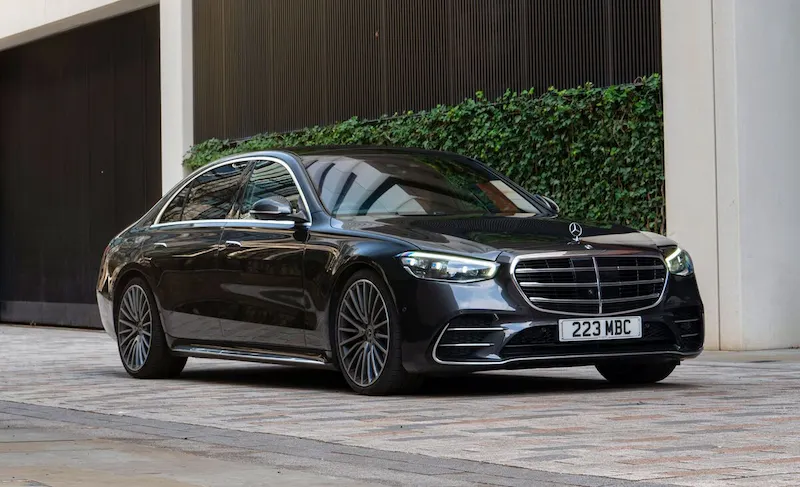


Mercedes-Benz Group AG, known for its focus on high-profit margin vehicles, has faced a setback in its luxury car sales strategy. The third quarter saw a decline in sales of ultra-luxury vehicles, particularly its flagship model, the S-Class. Orders of high-end Mercedes vehicles dropped by 11%, totaling 69,900 units, compared to the same period last year.
The global sales of the S-Class took a notable hit, declining by 18%, with China, the largest market for Mercedes, experiencing a 12% slump in sales for this particular model. This decline in sales comes at a time when the automaker, under the leadership of CEO Ola Källenius, is actively allocating resources towards its most expensive vehicles, including Maybach limousines, AMG performance cars, and the G-Wagon off-roader. This strategic shift entails moving away from less profitable entry-level models such as the compact A-Class.
Tom Narayan, an analyst at RBC Capital Markets, expressed concern over the potential impact on Mercedes' full-year earnings if the sales mix continues to shift away from its highest-priced models. He suggests that the decline in high-end sales could indicate this trend, leading to potential challenges in meeting earnings estimates, but emphasizes that it is too early to draw definitive conclusions.
Mercedes is set to release its third-quarter earnings report on October 26th. In terms of guidance, the company expects group earnings before interest and taxes to remain around the prior-year level of €20.5 billion ($21.7 billion). However, the automaker has already projected a decrease in its automaking margin to between 12% and 14% for this year, compared to 14.6% in 2022.
The weakening demand in China poses a significant risk for German car manufacturers, including Mercedes. For years, these companies have relied on profit growth from the Chinese market. BMW AG also reported a decline in sales in China, down 1.8% in the third quarter. China's struggle to bounce back from severe coronavirus lockdowns, coupled with a property crisis and dampened consumer sentiment, are impacting its economy. These difficulties have ripple effects, influencing everything from commodity prices to European and US consumer goods manufacturers.
Mercedes has not offered a specific explanation for the overall decline in its high-end vehicle sales. However, the company's spokesperson highlighted that model changeovers affected orders for high-performance AMG cars, and there was a certification delay for the S-Class in the US. Additionally, rising interest rates are impacting car financing deals across all segments, leading to increased acquisition costs for Mercedes vehicles.
While the decline in luxury sales is concerning, it remains to be seen how this will impact Mercedes' overall performance and whether it will meet its full-year earnings projections. As the automaker faces challenges in its luxury strategy, it will need to navigate changing market conditions, particularly in China, and continue adapting its product mix to maintain profitability in the high-end segment.