


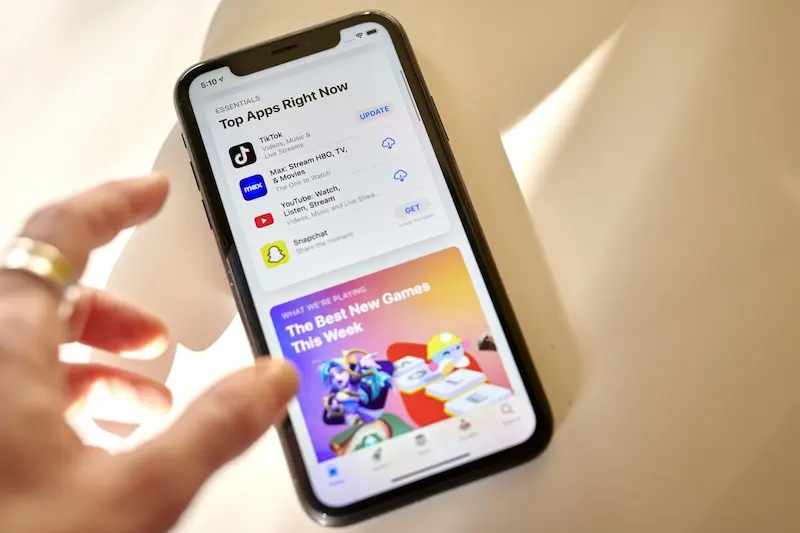


In a bid to appease regulators and comply with the European Union's (EU) impending antitrust rules, Apple is embarking on a major overhaul of its iOS, Safari, and App Store offerings. The company announced on Thursday that it will introduce a series of sweeping changes in March as part of its iOS 17.4 operating system. These changes include allowing customers to download software from outside the App Store for the first time, using alternative payment systems, and easily selecting a new default web browser. While this move is a significant departure from Apple's long-standing principles, the company is simultaneously challenging the regulatory measures in EU courts.
The EU's new Digital Markets Act aims to impose stringent restrictions on major tech firms and enhance the powers of the EU Commission as the leading antitrust enforcer in the region. Apple's response to these regulations will be a crucial test for both the company and the EU. The App Store's closed design, which prioritized user security, safeguarded the user experience, and maximized revenue, has been a foundational principle of Apple's technology.
This move by Apple had a mixed impact on investors, leading to a decline in shares after an initial gain. Despite concerns about user security, Apple executives have expressed the potential risks associated with the changes. Phil Schiller, the current head of the App Store and a longstanding Apple marketing chief, cautioned that allowing apps to be installed from alternative app marketplaces could pose a significant threat vector for user privacy, security, and device integrity. With upcoming elections worldwide and associated risks of malware and malicious technologies, downloading apps from non-Apple sources may expose users to new potential risks.
As part of the revamp, developers will have increased flexibility, such as creating tap-to-pay apps using the iPhone's payment chip, developing browsers with third-party engines, accessing iPhone hardware and software features more extensively, and offering game streaming services. Apple is also reducing the commission it charges developers for app sales from up to 30% to 17%. After the first year, the commission further decreases to 10% for most developers and subscriptions. However, the commission structure outside the EU remains unchanged.
Though software makers may face new costs, such as a 3% payment processing charge for in-app purchases made through Apple's system and a €0.50 fee per app install (for apps installed more than 1 million times in a 12-month period), over 99% of developers in the EU will see a decrease or no change in their payments to Apple. Additionally, apps sold outside the App Store will only require the €0.50 fee, without any commission on top.
To encourage more competition and independence, Apple is introducing new developer tools that enable third parties to create their own app download stores and web browsers without using WebKit, the standard framework previously required by Apple. Financial services, including banks, will now be able to offer their own tap-to-pay apps, providing competition for Apple Pay. Furthermore, users will have the option to set third-party payment apps and app stores as their default choice in their settings. They will also be prompted to choose their default web browser when they first open Safari on iOS 17.4.
This move by Apple is also aimed at addressing long-standing complaints from developers like Microsoft and Nvidia. They will be allowed to create applications that can stream an unlimited number of games within a single app, a change that will be available globally.
The EU's Digital Markets Act prohibits certain platforms from favoring their services over rivals', combining personal data across different services, or using third-party merchant information for competitive advantage. Apple is currently under investigation by EU antitrust regulators over allegations that its App Store rules hinder music-streaming competitors from offering alternative, cheaper subscription options. Apple could potentially face significant fines, up to 10% of its annual sales, as a result of this investigation.
This move toward App Store revamp follows a similar focus on antitrust issues in the United States. In January, the US Supreme Court declined to hear appeals from both Apple and Fortnite maker Epic Games in an antitrust lawsuit regarding the App Store. The trial judge in that case concluded that while Apple's App Store rules did not violate federal antitrust law, the company's restrictions on developer communications violated California's state antitrust law.
The CEO of Epic Games, Tim Sweeney, responded to Apple's new policies, referring to them as "malicious compliance." Sweeney criticized the ultimatum Apple appears to be presenting to developers—either maintain App Store exclusivity or accept a potentially anticompetitive scheme with additional fees and taxes.
The outcome of Apple's changes in the EU will be crucial in determining if the company can adapt to the new rules and whether the EU can effectively enforce meaningful reforms in the operations of major tech companies.