


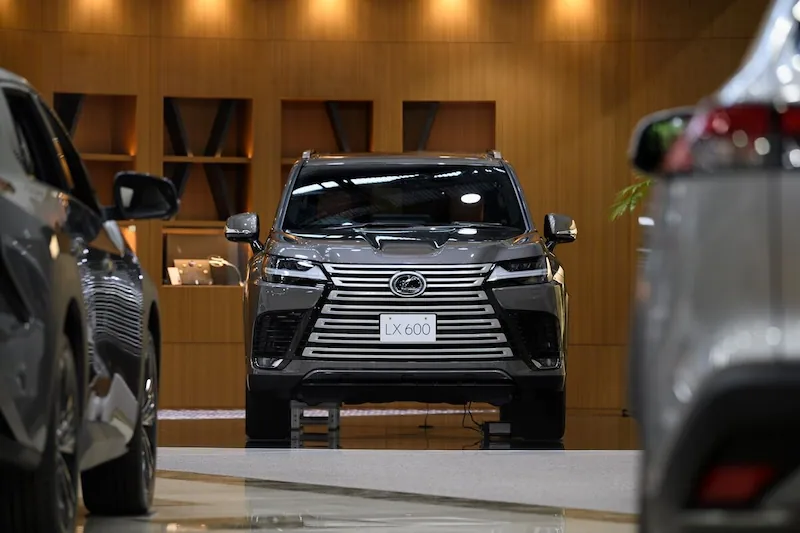


In a recent evaluation of driver-assistance systems, the Insurance Institute for Highway Safety (IIHS) has delivered a revealing verdict, with only one system receiving an "acceptable" rating out of the 14 tested. The standout performer was Toyota Motor Corp.’s offering on the Lexus LS sedan. This accolade places Lexus above industry heavyweights such as Tesla Inc., Mercedes-Benz Group AG, and Volvo Car AB, all of whose systems were rated as "poor" by the IIHS.
The IIHS scrutinized these systems based on their ability to monitor drivers, issue reminders for attentiveness, and react in emergency situations where driver engagement wanes. President David Harkey highlighted the pressing issue of ensuring these technologies have robust mechanisms to prevent misuse and maintain driver focus. He emphasized that while some may perceive partial automation as a convenience for long drives, the evidence suggests it might not necessarily enhance driving safety.
Among the systems that fell short under the IIHS evaluation were Tesla’s Autopilot and Full Self-Driving Beta. Despite being billed as driver-support features mandating continuous supervision, these systems failed to meet the safety standards set by the IIHS. Additionally, BMW AG’s Active Driving Assistant Pro, Ford Motor Co.’s BlueCruise, and Volvo’s Pilot Assist also received a "poor" rating, underscoring the broader industry's need for improvement in this critical area.
The IIHS did, however, recognize the Lexus Teammate system for its excellence in attention reminders and safety features. General Motors Co.’s Super Cruise and Nissan Motor Co.’s ProPilot Assist with Navi-link fared slightly better, receiving a "marginal" rating from the evaluating body. Notably, Tesla’s recent software update aimed at curbing misuse of its systems was deemed insufficient by Consumer Reports, leading to calls for a reevaluation by federal safety agencies.
As the debate over the safety and efficacy of driver-assistance technologies continues, the IIHS’s stringent evaluation serves as a stark reminder of the critical need for robust safeguards in these systems. With safety being paramount on the roads, manufacturers face a growing imperative to enhance their systems to not only improve convenience but also ensure the safety of drivers and passengers alike.