


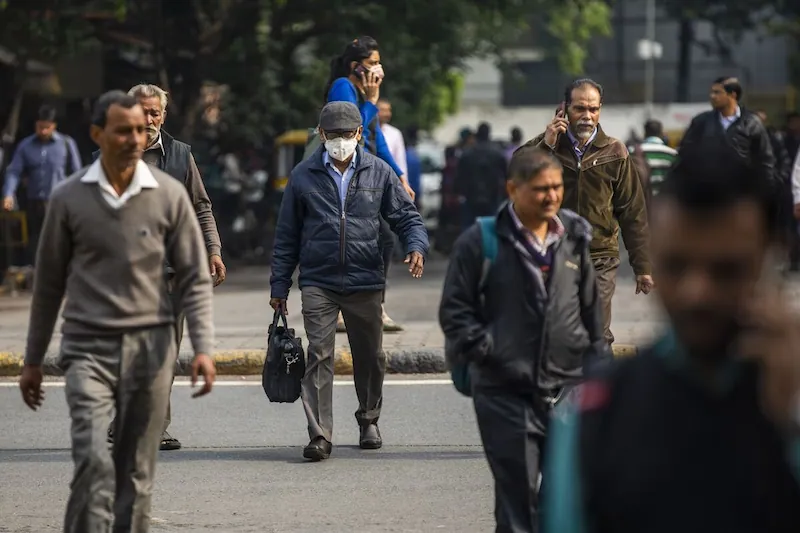


In a move that has stirred controversy and criticism, the Indian government has enacted the Citizenship (Amendment) Act just weeks before the country's upcoming national elections. The law, which was passed in 2019 but held back from being put into effect due to widespread protests, aims to streamline the citizenship process for certain immigrants. Under the new law, specific religious minorities from neighboring Muslim-majority countries – including Hindus, Sikhs, Buddhists, Jains, Parsis, and Christians from Pakistan, Bangladesh, and Afghanistan – are granted an accelerated path to citizenship. This includes eligibility for those who arrived in India on or before December 31, 2014, allowing them to apply for citizenship after five years of residency, opposed to the previous 11-year requirement.
However, the Citizenship Act has ignited a firestorm of debate and dissent. While the government defends it as a lifeline for persecuted minorities seeking refuge in India, critics argue that the law is fundamentally discriminatory and violates the secular ethos of the country. By specifically excluding Muslim immigrants from neighboring nations and failing to address persecuted groups like Rohingya Muslims and Tamils from other nearby countries, the law has been condemned for its religious bias. Concerns have been raised that in conjunction with the government's proposed National Register of Citizens, the law could potentially render a significant portion of the Muslim population in India stateless.
This citizenship law aligns with a series of policies led by Prime Minister Modi's Bharatiya Janata Party (BJP) that have been perceived as promoting Hindu-nationalist agendas. From the contested inauguration of a Hindu temple at a disputed site to the revocation of autonomy in the Muslim-majority region of Jammu and Kashmir, the BJP's policies have faced allegations of marginalizing religious minorities. The BJP's push for a Uniform Civil Code, which is seen as a threat to Muslim customs, along with the enforcement of bans on hijabs in educational institutions and anti-conversion laws in BJP-ruled states, further fuel concerns about religious discrimination under the guise of governance.
Opponents of the law have not held back in expressing their disapproval. The Indian National Congress has strongly criticized the timing of implementing the law, accusing the government of using it as a divisive tactic to sway the upcoming elections. Leaders from various states, including Tamil Nadu, have labeled the law as discriminatory and divisive, with some states even declaring their refusal to enforce it. Amnesty International has raised human rights concerns over the legislation and petitions have been filed in the Supreme Court seeking to halt its implementation. As tensions escalate, the repercussions of the Citizenship (Amendment) Act loom large over India's political and social landscape, raising poignant questions about the country's commitment to secularism and equality for all its citizens.