


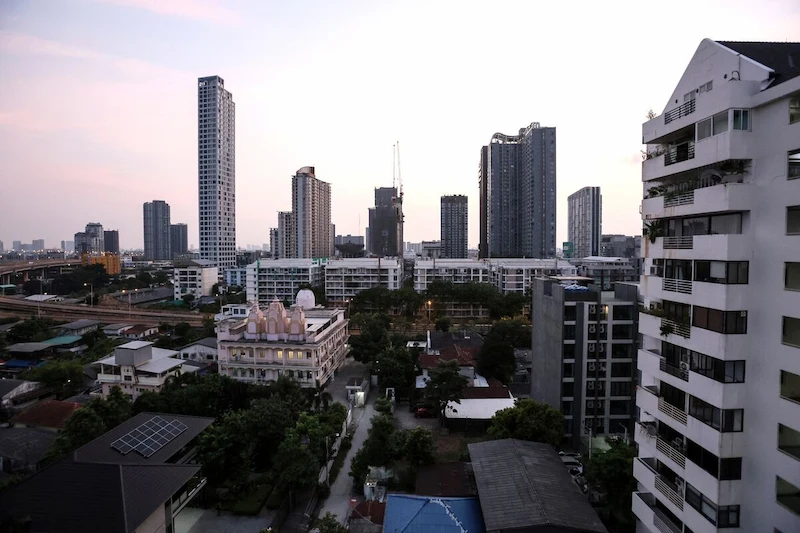


In a bid to inject new life into Thailand's residential real estate sector, the government has announced a series of proactive measures aimed at reviving market activity. One significant move includes an adjustment in the property registration and transfer fees, specifically targeting properties priced up to 7 million baht ($191,330). Under the new regulations, residential properties within this price range will now qualify for reduced transaction fees, a welcome relief for both buyers and sellers in the market.
Expanding on previous initiatives, the government has extended the reduction in mortgage fees to properties valued up to 7 million baht, further incentivizing transactions within this segment. Moreover, individuals looking to construct their own homes will benefit from enhanced tax incentives, while the threshold for properties developed by companies eligible for the Board of Investment's tax incentives has been raised to 1.5 million baht from 1 million baht.
Market analysts anticipate that these measures will not only stimulate industry sentiment but also accelerate the transfer of properties falling within the 3 million baht to 7 million baht price range. This segment is crucial, as buyers show a high mortgage loan approval rate, making them key contributors to market liquidity. Consequently, property developer stocks surged in response to the announcement, with companies like Sansiri Pcl and SC Asset Pcl experiencing notable gains.
The positive outlook extends beyond the real estate sector, with government officials highlighting the broader economic impact of these interventions. By fostering increased investments in the property market, the measures are expected to bolster employment opportunities and spur manufacturing activities. This ripple effect is anticipated to provide a much-needed boost to the overall economy, positioning the real estate sector as a key driver of economic recovery.
As part of the stimulus package, the Government Housing Bank will offer an additional 20 billion baht in new mortgage loans at reduced interest rates to low-income borrowers seeking to purchase new homes. Simultaneously, the Government Savings Bank is earmarking funds totaling 20 billion baht for both homebuyers and developers. The government also plans to revisit regulations governing foreign ownership of residential properties, aiming to enhance their attractiveness to international investors.
Overall, the government's proactive approach to rejuvenating the real estate market signals a concerted effort to reignite economic momentum post-pandemic. With these multifaceted measures in place, Thailand is poised to chart a course towards sustained growth and recovery in the housing sector.