


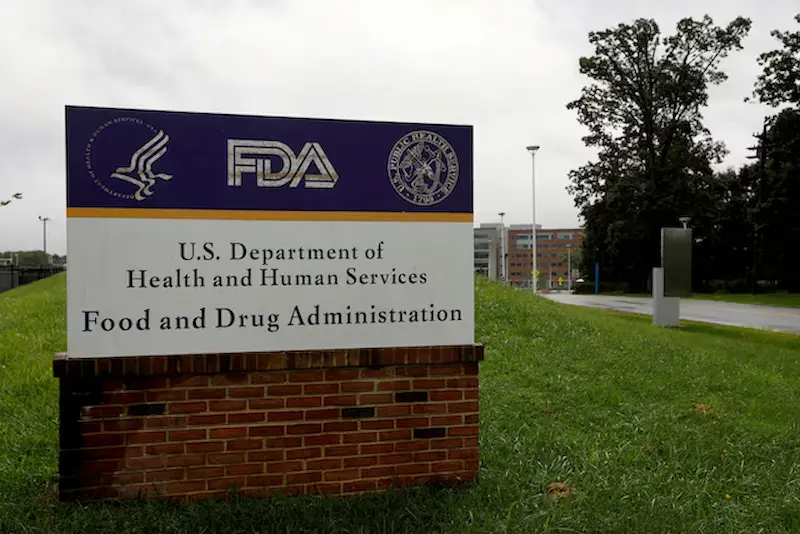


In a significant move to enhance oversight and ensure the accuracy of diagnostic tests developed by clinical laboratories, the U.S. Food and Drug Administration (FDA) has introduced stricter regulations. This new rule marks a departure from the previous practice of allowing labs to use their in-house tests for diagnosing various conditions without undergoing a formal authorization process, provided they met specific standards. With the widespread adoption of these tests, the FDA recognizes an increased level of risk associated with them.
FDA executive Jeff Shuren emphasized the need for better transparency and oversight, stating that the true extent of the LDTs currently in use remains unknown. To address this, the FDA plans to establish a comprehensive database containing information on available LDTs. This database aims to improve awareness among patients and healthcare providers regarding the tests being utilized and their potential implications.
Under the updated regulations, clinical laboratories will be required to adhere to the same stringent requirements that govern diagnostic tests developed by medical device manufacturers. This includes the mandatory FDA review of test applications and the obligation to report any adverse events associated with the tests. The FDA has outlined a four-year transition period to phase out the prior, less stringent approach for LDTs.
Certain exemptions will still apply under the new rules, such as continuing to regulate specific LDTs through the previous approach. This includes tests that were already on the market before the final rule came into effect, as well as those cleared by the New York State's Clinical Laboratory Evaluation Program (CLEP). Notably, a significant percentage of LDTs offered by major lab operators like Labcorp and Quest Diagnostics are CLEP approved, according to industry analysts.
Elizabeth Anderson, an analyst at EvercoreISI, highlighted that the updated regulation would help reduce the regulatory burden and ongoing approval costs for test providers. The new framework aims to standardize the oversight process for all diagnostic tests, ensuring consistent quality and reliability across the board. By implementing these measures, the FDA seeks to bolster public trust in the accuracy and safety of diagnostic testing conducted by clinical laboratories.