


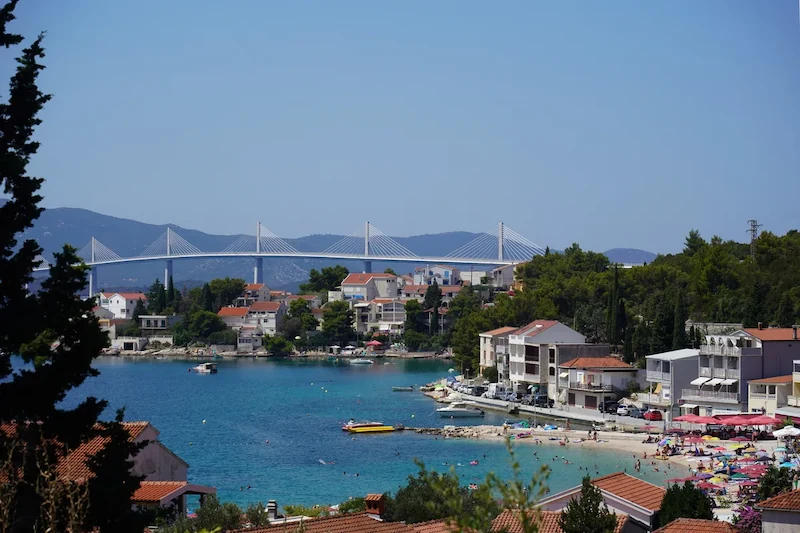


In a bold move to bolster its budget revenue, Croatia is gearing up to introduce a new tax on second homes, particularly targeting holiday rentals scattered along the pristine Adriatic coast. The government’s initiative aims to address a plethora of issues, including curbing short-term holiday rental activities, alleviating a housing shortage, and reviving the stagnant residential real estate market in the country.
During a recent press conference in Zagreb, Finance Minister Marko Primorac unveiled the plan, emphasizing the multifaceted benefits it aims to bring. By imposing taxes on over 800,000 second and third homes, the government anticipates a significant financial boost. However, the exact figures remain uncertain, with Primorac acknowledging the complexity of predicting such outcomes.
The proposed tax legislation, slated for potential enactment in 2025 pending approval from lawmakers, introduces a tax rate ranging from 0.6 to 8 euros per square meter for applicable properties. Properties that are either vacant or utilized for short-term rentals as of the designated deadline on March 31 of the upcoming year will be subject to this tax.
To soften the impact, the bill carves out exemptions for primary residences and properties under long-term leases of at least ten months annually. This strategic approach seeks to curtail the prevalence of short-term rentals that have proliferated in recent years. Notably, previous attempts to implement a property tax were met with fierce opposition from the public, rendering them unsuccessful.
Croatia’s property landscape reveals a staggering statistic, with nearly one in four families owning a second home, and some possessing a third. The 2021 census highlighted around 231,000 vacation properties and an additional 600,000 residential units either lying vacant or utilized for short-term rentals.
In light of external pressures, such as those from the International Monetary Fund, urging Croatia to diversify its revenue sources, the government is pushing forward with this reform. Additionally, as a concession, plans to reduce income taxes in the near future are on the horizon, aiming to assuage any potential backlash from the introduction of the property tax.
Despite the potential benefits, the implementation of a property tax in Croatia has historically been deemed a politically perilous endeavor, fraught with resistance. Analysts anticipate significant pushback from various quarters, underscoring the enduring challenge of navigating this contentious terrain.