


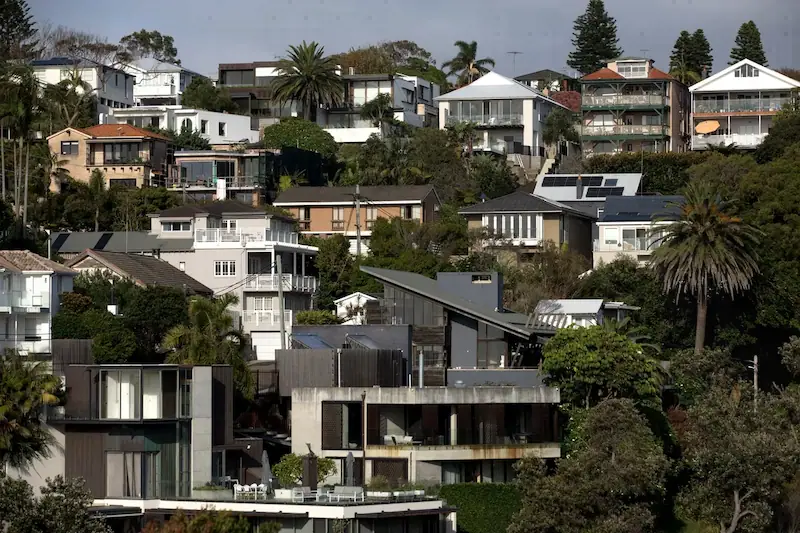


In January, the Australian housing market saw a further decline in prices, particularly in the major cities of Melbourne, Canberra, and Sydney, where buyers are increasingly struggling to afford properties. The Home Value Index for these cities dropped by 0.2%, marking the second consecutive monthly decrease. Melbourne experienced the largest decline at 0.6%, followed by Canberra at 0.5% and Sydney at 0.4%.
On the other hand, cities like Brisbane, Perth, and Adelaide continued to see growth, albeit at a slower pace. CoreLogic noted a "clear and steady" loss of momentum in these markets.
The anticipated interest rate cut by the Reserve Bank, expected to be announced during its upcoming meeting, is likely to provide some relief to the housing market. This, combined with an improvement in consumer sentiment, is expected to support house prices in the coming months, according to Tim Lawless, research director at CoreLogic.
However, Lawless also cautioned against expecting a significant growth cycle due to factors such as affordability constraints, slowing immigration, and soft economic conditions. High interest rates, a supply shortage, and a surge in population growth post-pandemic have exacerbated the housing crisis in parts of Australia, particularly in Sydney where the average home price is 13 times the average income.
With interest rates currently at a 13-year high of 4.35%, many buyers are finding it increasingly difficult to secure funds for property purchases. This has resulted in a surge in rental prices. However, CoreLogic noted a softening in the rental market towards the end of the year, attributed to a rise in household sizes in major cities and a slowdown in migration.
In essence, while the housing market may see some respite with the expected interest rate cut, challenges such as affordability issues and economic uncertainties continue to pose significant obstacles to a robust growth cycle in the Australian housing sector.